


Blog
The Importance of Horological Museums: Keeping Time Alive

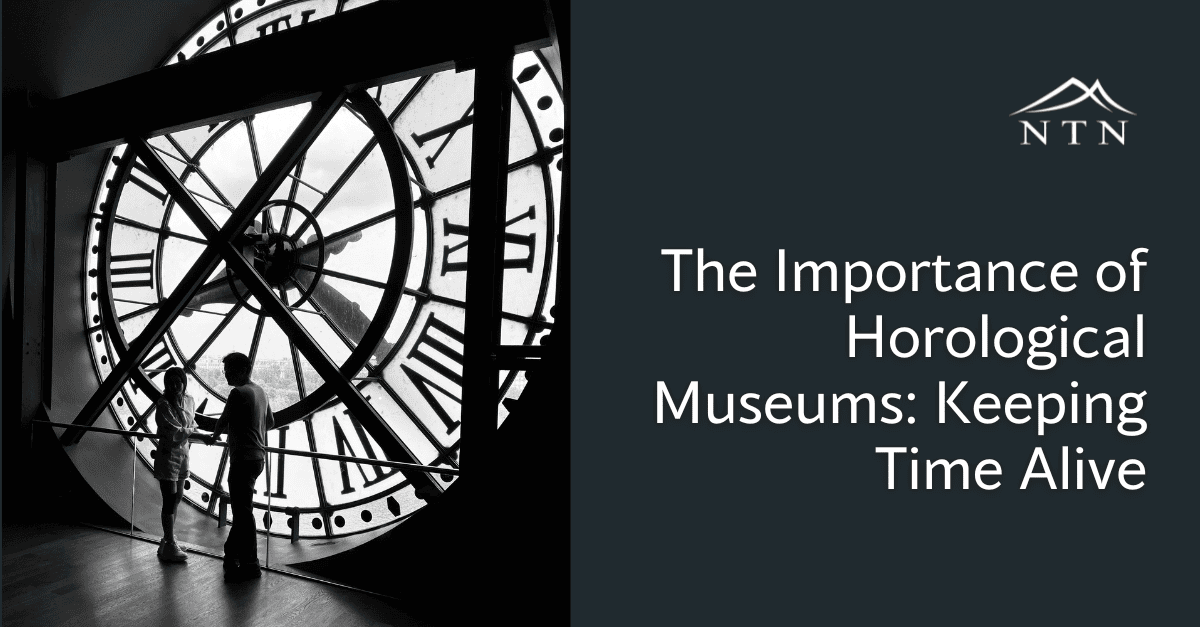
Time has always fascinated people. From the first sundials to today’s advanced watches, our desire to measure and understand time has shaped human progress. Horological museums exist to preserve this remarkable journey.
These museums are more than rooms filled with clocks and watches. They are places where stories of invention, art, and human curiosity live on. They remind us that watchmaking is not just about tracking hours—it’s about creativity and craftsmanship passed down through centuries.
What Are Horological Museums?
Horological museums are dedicated to the study and preservation of timekeeping devices. They collect and display everything from ancient water clocks and pocket watches to modern mechanical masterpieces.
Each piece represents a different era in human history. Through them, we can see how technology, design, and culture have changed over time.
Without these museums, much of this knowledge could disappear. They keep the skills, tools, and traditions of watchmaking alive for future generations to learn from.
Why These Museums Matter
Horological museums protect more than just objects—they protect ideas. They show how early inventors struggled and succeeded in measuring time accurately. They preserve the techniques that made fine watchmaking a respected art.
Every exhibit tells a story of human effort and imagination. Visitors can see how the smallest gears and springs transformed into the reliable movements we depend on today.
These museums help us appreciate how complicated timekeeping really is, and how much patience and precision it takes to achieve perfection.
A Record of Human Creativity
Every clock or watch has a personality. Some were made for kings and explorers, others for everyday people. Together, they tell the story of how we’ve valued time across centuries.
Horological museums let us see how design, fashion, and social values influenced how watches looked and worked. For example, early pocket watches reflected wealth and status, while later wristwatches became symbols of practicality and modern life.
By walking through a museum’s halls, you’re walking through time itself—witnessing how human creativity has evolved along with technology.
Learning Through History
Horological museums also serve as classrooms. They give students, collectors, and curious visitors a chance to learn directly from real examples.
Seeing how a mechanical watch works in person is far more powerful than reading about it. You can admire the precision, the small moving parts, and the hand-finished details that make every piece unique.
Many museums also offer workshops or exhibits that explain how watches are built and maintained. These experiences help people understand that watchmaking is both an art and a science.
Where Art Meets Engineering
Watchmaking has always balanced creativity with precision. It’s a blend of technical skill and artistic vision.
Horological museums highlight this connection beautifully. They display not only the inner mechanisms that make watches tick but also the decorative details—the engraving, enamel work, and design that turn each piece into art.
This combination of engineering and beauty is what makes horology so special. It reminds us that function and form can exist in perfect harmony.
A Worldwide Passion
Horological museums exist all around the world. Each one contributes to a shared mission: keeping the story of timekeeping alive.
Some focus on the science behind time, while others emphasize art and design. Together, they create a global network that connects cultures through a common fascination with time.
These institutions often collaborate on exhibitions and research, allowing visitors everywhere to experience the beauty and history of watchmaking.
Restoring and Protecting the Past
Many of the clocks and watches displayed in museums are centuries old. Restoring them requires great care and skill.
Experts in conservation know how to repair fragile parts, clean delicate mechanisms, and maintain original finishes. Their goal is to keep each piece as authentic as possible.
Through this careful work, horological museums ensure that even the oldest timepieces continue to tick—preserving the legacy of their makers and the history they represent.
Relevance in the Digital Age
In today’s world of smartphones and smartwatches, mechanical timepieces might seem outdated. But horological museums show us why they still matter.
They remind us that watchmaking is about more than convenience. It’s about craftsmanship, innovation, and the human desire to create something lasting.
Standing in front of a centuries-old clock and hearing it chime connects us to people who lived long before us. It’s a shared language that spans generations.
Inspiration for Modern Watchmakers
Modern watchmakers often visit horological museums for inspiration. Studying older designs helps them understand proportions, movement layouts, and decoration techniques that remain relevant today.
By learning from the past, they can create watches that combine traditional craftsmanship with modern design. It’s a way to honor history while keeping it alive in contemporary forms.
This philosophy of blending old and new is something thoughtful watch brands still value deeply.
A Place for Everyone
Horological museums aren’t just for experts. Anyone can find something to enjoy—whether it’s the artistry of a hand-painted dial, the precision of a movement, or the history behind a famous maker.
They invite people to slow down and appreciate time in a more meaningful way. In a world that moves fast, these quiet spaces remind us to pause and observe.
For collectors, visiting a museum can also deepen their understanding of what makes a watch special—beyond its brand or price.
Supporting Heritage Through Awareness
Preserving horological history requires public support. Many museums rely on visitors, donors, and enthusiasts to continue their work.
By visiting or sharing their stories, you help ensure that this craft remains alive for future generations. Every visit, every conversation, adds to the collective effort of keeping watchmaking heritage strong.
Even if you’re simply a fan of well-made watches, understanding their background makes owning one more meaningful. A watch becomes more than an accessory—it becomes a small piece of human history.
Modern Brands That Share This Spirit
Some modern watch brands carry forward the same values that horological museums celebrate: respect for craftsmanship, appreciation for detail, and commitment to quality.
NTN reflects this spirit in its approach to design and precision. Its watches capture the same timeless quality found in traditional watchmaking, making them a natural fit for those who admire both heritage and modern style.
These shared values keep the connection between past and present alive.
The Emotional Side of Preservation
There’s something emotional about standing among hundreds of ticking watches. Each one represents the hands and minds that made it possible.
Horological museums remind us that timekeeping was once a craft practiced by people who poured their skill and patience into every piece.
That sense of connection—to the makers, to history, to the passage of time itself—is what makes these museums so special. They help us remember that time is not only measured by seconds but also by the care we put into how we live them.
Inspiring the Next Generation
Encouraging new talent is another vital role of horological museums. By showing young people the beauty of mechanical design, these institutions spark curiosity and creativity.
Workshops and apprenticeships help students see that watchmaking is a living, evolving field. Some may go on to become the next generation of master watchmakers, continuing a tradition that has endured for hundreds of years.
Museums make that future possible by keeping the knowledge and inspiration alive.
A Visit Worth Making
Visiting a horological museum is unlike any other experience. The soft ticking of hundreds of clocks creates a rhythm that feels peaceful and timeless.
You can trace how timekeeping has shaped human life—from navigation and science to art and fashion. You leave with a new appreciation for the patience, precision, and artistry that go into every movement.
It’s a reminder that time is not just something we measure—it’s something we create, shape, and share.
Final Thoughts
Horological museums are guardians of our relationship with time. They preserve the skills, ideas, and beauty that shaped centuries of watchmaking.
Their importance lies in what they teach us: that craftsmanship, patience, and creativity never go out of style.
By visiting these museums or supporting their mission, we help protect the legacy of horology for the future. And for those who want to carry a piece of that legacy into their daily lives, exploring NTN’s official collection is a thoughtful place to start.
Because every watch—whether in a museum or on your wrist—is a reminder that time, when treated with care, becomes something truly timeless.


