


Blog
Why Watches Remain Meaningful in the Smartphone Era

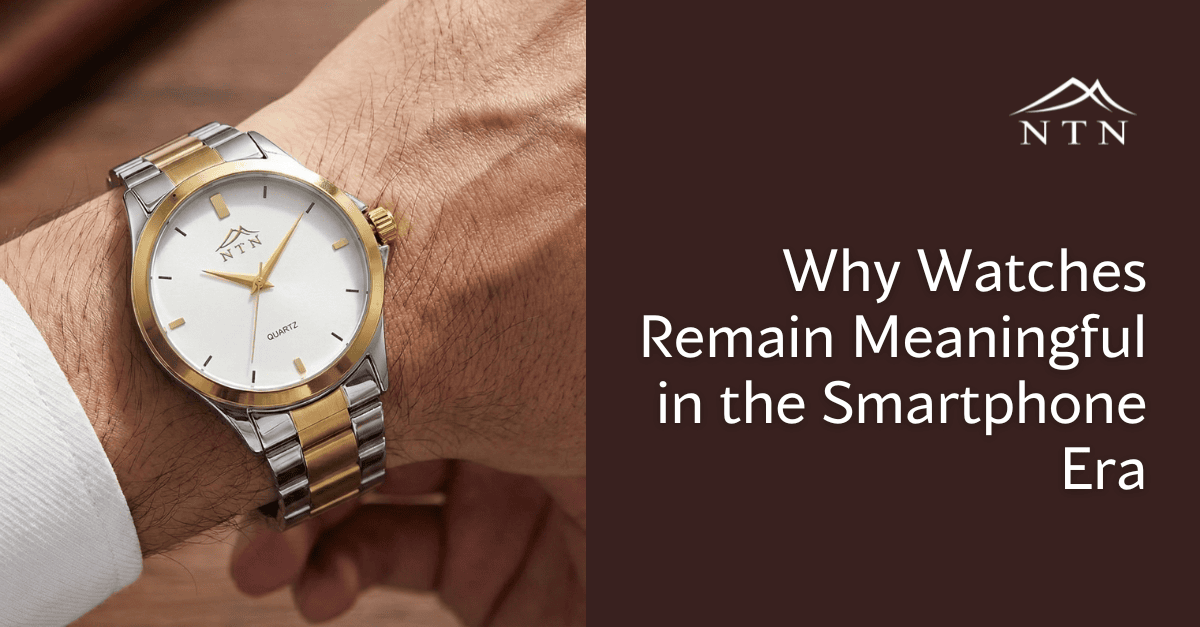
In a world where smartphones can tell time more accurately than any watch, it’s fair to ask—why do people still wear them? The answer lies far beyond practicality. Watches have evolved from tools of necessity into symbols of identity, discipline, and emotional connection.
The meaning of watches in the smartphone era isn’t about convenience; it’s about value that transcends function. While a phone shows time, a watch expresses something deeper—style, thoughtfulness, and appreciation for craftsmanship.
The Shift from Function to Expression
Before technology took over, watches were indispensable for daily life. They guided schedules, marked transitions, and defined punctuality. But as smartphones became universal timekeepers, watches took on a new role.
Today, wearing a watch is less about checking the time and more about expressing individuality. It’s a conscious choice—a statement of taste and appreciation for tangible design in a digital world.
A watch tells others that you value detail, tradition, and the experience of wearing something made to last. It’s not about needing to know the time—it’s about how you choose to measure it.
The Emotional Value of a Watch
Unlike a phone, a watch carries emotional weight. Many people associate their timepiece with personal milestones: a graduation, a first job, an anniversary, or a gift from someone special.
Each time you glance at it, you remember more than the hour—you remember a moment, a feeling, or a person. This emotional connection is something no digital clock can replicate.
Watches age with you. The small scratches, the worn strap, the familiar ticking—they become reminders of your journey. That’s what gives watches their meaning: they don’t just measure time, they hold it.
A Watch as a Symbol of Presence
Checking the time on a phone often leads to distraction. You glance at the screen and end up scrolling through messages or notifications. A watch, on the other hand, allows you to stay present.
It offers focus and simplicity. There’s elegance in lifting your wrist, reading the time, and continuing what you were doing—no alerts, no noise, no interruption.
In that sense, a watch helps you reclaim a small but powerful sense of control over your attention. It’s a reminder that not everything meaningful has to be digital.
Craftsmanship in a Digital World
Smartphones are mass-produced, disposable, and constantly replaced. Watches, however, are built to endure. They represent a kind of craftsmanship that feels increasingly rare in modern life.
Every component—the hands, the gears, the polished case—is designed with intention. Mechanical watches, especially, showcase a quiet mastery of engineering. Even quartz or digital designs carry the legacy of human precision and artistry.
Owning a watch connects you to that heritage. It’s a small, wearable piece of art that still works the same way it did a century ago.
In an era defined by software updates and screen fatigue, this kind of permanence is refreshing.
The Watch as a Cultural Symbol
Across films, literature, and history, watches have symbolized everything from power to love to mortality. In popular culture, a wristwatch often signifies confidence, punctuality, and self-discipline.
It can also represent legacy—a father passing down his watch to a son, or a mentor gifting a timepiece to mark achievement. These gestures carry meaning that extends far beyond the object itself.
Wearing a watch communicates something wordlessly. It says you value time, respect tradition, and understand that real luxury lies in simplicity and purpose.
The Role of Watches in Professional Life
In professional settings, watches still hold quiet authority. They complement attire, signal reliability, and subtly convey respect for time—both yours and others’.
While phones are functional, taking one out to check the time in a meeting can feel informal or inattentive. A quick glance at a wristwatch, by contrast, feels deliberate and composed.
This distinction, though small, reflects awareness and presence—qualities that are increasingly rare in a distracted world.
Watches as Markers of Milestones
A significant reason watches remain meaningful is their role in commemorating life’s milestones.
A watch gifted upon graduation marks the beginning of independence. One given as a wedding gift celebrates commitment. A retirement watch honors decades of dedication and hard work.
These symbolic moments turn watches into heirlooms, each carrying stories that grow richer with time.
Phones can be replaced and forgotten, but a watch can be worn for years and passed down—a tangible reminder of achievement and connection.
The Allure of Simplicity
In a world of constant notifications, simplicity has become a luxury. Watches offer that clarity. They perform one function beautifully—telling time—and nothing more.
This simplicity is a form of mindfulness. Wearing a watch helps you slow down and appreciate the rhythm of time itself. It becomes a symbol of balance: technology may speed life up, but a watch reminds you to live it consciously.
Even smartwatches, despite their connectivity, borrow this logic. Their design roots trace back to traditional timepieces, proving how enduring the concept of the wristwatch really is.
The Watch as a Personal Ritual
For many, putting on a watch is a daily ritual—small, intentional, and grounding. It’s the final step before stepping out into the day, a subtle act of readiness.
This routine gives a sense of structure and calm, especially in a world defined by constant change. It’s one of the few accessories that can blend seamlessly into both formal and casual moments, adapting to your lifestyle without losing its meaning.
That’s why even in the age of smartphones, people still feel incomplete without their watch—it’s part of who they are.
The Sustainability of Longevity
Watches also represent sustainability through longevity. A well-maintained timepiece can last decades, sometimes even generations.
Phones, on the other hand, are designed for short lifespans—replaced every few years as technology evolves. A watch, by contrast, is timeless both in design and durability.
This longevity gives it emotional and environmental value. Choosing a watch is a quiet rejection of disposability—a preference for quality over quantity.
Watches and Personal Style
Fashion trends change rapidly, but watches remain constant. They adapt to style rather than chase it.
A sleek minimalist watch pairs with modern aesthetics, while a vintage design evokes nostalgia and charm. Unlike smartphones, watches can reflect personality—bold, understated, technical, or elegant.
They complete an outfit not just as accessories, but as extensions of identity. Wearing a watch shows care in detail, balance in design, and intention in presentation.
It’s this timeless adaptability that keeps watches relevant in an era defined by change.
Emotional Connection and Legacy
One of the most enduring reasons watches remain meaningful is their emotional continuity. A watch can outlive its wearer, carrying memories forward.
When passed down, it becomes a living artifact—an object that connects generations. Each glance at the dial recalls the person who once wore it, keeping their story alive through time.
This emotional permanence sets watches apart from every other device we own. They don’t just exist in the present; they preserve the past.
The Human Side of Timekeeping
At its core, the appeal of a watch lies in its humanity. Time on a phone is impersonal—it’s data. Time on a watch feels alive, measured through motion, design, and craftsmanship.
This tactile experience—feeling the weight, hearing the tick, seeing the hands move—is something digital screens can’t replicate. It’s a reminder that time is not just a number but a lived experience.
That’s why watches continue to inspire fascination. They represent the human desire to make sense of time, not just track it.
If you appreciate that blend of function, emotion, and artistry, you can explore thoughtfully crafted collections at NTN’s official website. Their approach reflects how modern design and timeless meaning can coexist beautifully.
Final Thoughts
The question isn’t why watches survive in the smartphone era—it’s why they matter more than ever.
A watch is a quiet declaration of values: attention to detail, respect for time, and appreciation for the lasting over the fleeting. It’s both personal and universal—a reflection of who we are and how we move through life.
In a world obsessed with speed and screens, the enduring appeal of a watch lies in its humanity. It doesn’t compete with technology; it complements it, offering something technology can’t—meaning.
Watches remind us that while time moves forward endlessly, how we choose to measure it still defines us.


