


Blog
Why Watches Are Still the Ultimate Symbol of Style and Identity

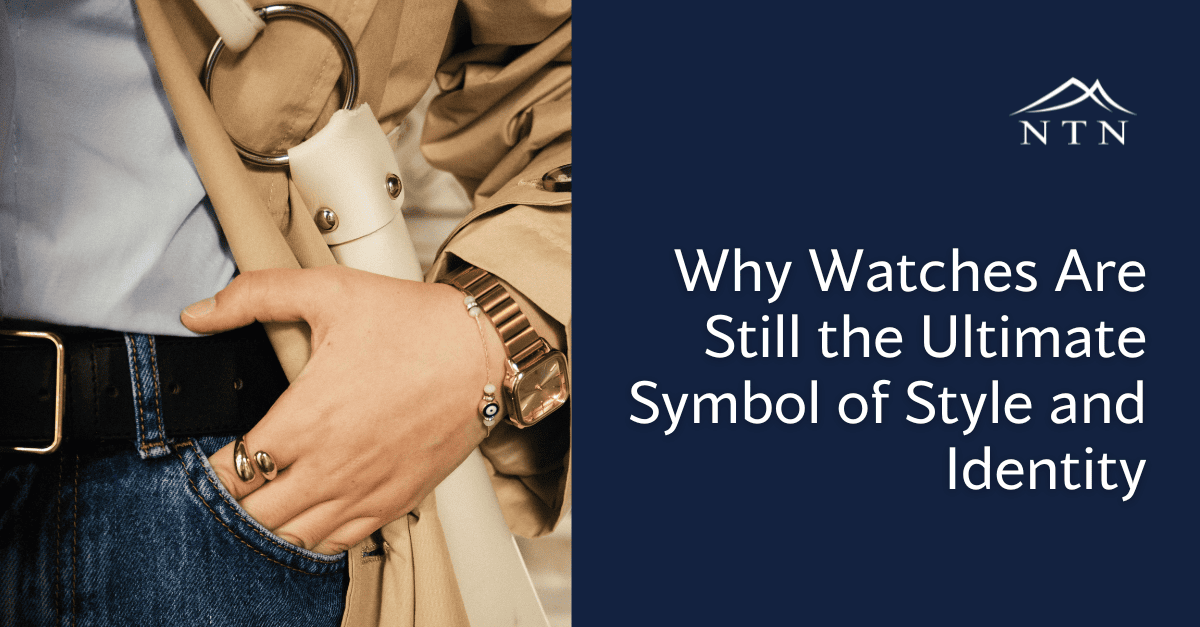
A watch is far more than a tool to tell time—it’s a reflection of who you are. From the design you choose to the way you wear it, a watch quietly expresses your personality, taste, and values. In a world full of digital devices, wearing a watch remains one of the most personal and meaningful style choices you can make.
For centuries, watches have symbolized more than punctuality. They’ve represented craftsmanship, confidence, and personal connection. Even today, when technology can easily replace their function, watches still hold a deeper emotional and cultural significance.
The Connection Between Watches and Personality
The watch you wear often says something about your mindset. A minimalist design suggests focus and simplicity. A bold chronograph can show confidence and drive. A vintage piece might reveal a sense of nostalgia and appreciation for history.
Unlike many fashion accessories, a watch becomes part of your daily rhythm. You check it countless times throughout the day, and over time, it becomes a subtle extension of your identity. It’s not just about style—it’s about presence and personality.
Psychologists often note that accessories like watches signal how people want to be perceived. Choosing a timepiece is, in many ways, choosing how you want to express yourself.
Watches as a Statement of Character
Every watch carries a message. It’s not just a detail—it’s a statement.
Someone who wears a mechanical watch often values tradition and craftsmanship. A person who prefers a modern smartwatch might lean toward innovation and efficiency. A diver’s watch suggests adventure, while a slim dress watch speaks of refinement and discipline.
This connection between watches and personality is what makes them timeless. They tell more than time—they tell stories about ambition, taste, and individuality.
Watches and the Psychology of Style
Wearing a watch can influence how you feel and how others see you. It’s a simple accessory that adds structure and confidence to your appearance.
A well-chosen watch completes an outfit. It adds balance and sophistication without trying too hard. Even in casual settings, a good watch signals attention to detail and self-awareness.
There’s also a psychological comfort in wearing a watch. Checking the time on your wrist feels intentional and focused, unlike glancing at a phone, which often leads to distractions. It creates a sense of control and mindfulness—something that aligns with confidence and purpose.
The Role of Watches in Fashion
Watches have always played a central role in fashion. They bridge the gap between functionality and style, between utility and art.
In professional settings, a watch can subtly communicate competence and reliability. For formal occasions, it adds polish and grace. Even in everyday wear, it acts as a finishing touch—like the final note in a well-composed outfit.
Fashion trends come and go, but watches remain constant. Their versatility allows them to blend with any style—classic, modern, or avant-garde. That’s why they’re not just accessories—they’re essentials.
The Evolution of Watches as Cultural Icons
The symbolism of watches goes beyond personal style. They’ve long been associated with milestones, achievements, and legacy.
A watch gifted at graduation, a retirement, or a special anniversary carries meaning that lasts for decades. It becomes part of the wearer’s life story, a memory wrapped around the wrist.
Throughout history, leaders, artists, and explorers have worn watches that became as iconic as they were. These timepieces weren’t just tools—they were symbols of perseverance, excellence, and individuality.
That connection between time and identity remains powerful today.
Craftsmanship and Self-Expression
Behind every great watch lies craftsmanship—a combination of art and engineering. Choosing a watch is, in part, an appreciation of that artistry.
The way a movement ticks, the polish of the case, the texture of the strap—all reflect human creativity. Wearing a watch connects you to that tradition of skill and innovation. It’s a quiet reminder of patience, precision, and beauty in motion.
For many, that’s what makes watches so personal. They represent the value of time, effort, and detail—qualities people aspire tbbo embody themselves.
Brands like NTN carry this philosophy, combining thoughtful design with timeless craftsmanship. Their watches remind us that style is most powerful when it feels genuine and enduring.
Watches as an Emotional Symbol
A watch often holds emotional meaning. It can remind you of someone special, a personal success, or a chapter in your life. That’s why many watches are passed down through generations—they hold stories and sentiments that outlast trends.
Unlike digital devices that are replaced every few years, a mechanical or well-made watch becomes more meaningful with age. The scratches, the wear, the patina—they’re marks of time well lived.
A watch is one of the few possessions that feels both personal and timeless. It can represent continuity—the connection between past, present, and future.
Watches and Identity in the Modern Age
Even in today’s digital world, where smartphones dominate, watches retain their identity as symbols of individuality. Wearing one shows that you value more than convenience—you value intention.
In a culture of constant updates and notifications, a watch offers something grounding. It connects you to the physical world, to craftsmanship, and to time itself. It’s a small act of rebellion against distraction—a way to say, “I’m present.”
That’s why watches remain powerful identifiers. They don’t just show your taste—they show your priorities.
Choosing a Watch That Reflects You
Selecting the right watch is like choosing the right words to describe yourself. The materials, colors, and design all tell a story.
A stainless steel bracelet watch might suggest strength and reliability. A leather strap shows warmth and tradition. A bold, colorful dial signals creativity and confidence.
The best watch for you is the one that feels natural—one that reflects your personality rather than trying to define it. Over time, it will become part of your daily life, carrying your story with it.
The Watch as a Daily Ritual
Putting on a watch each morning is more than a habit—it’s a ritual. It marks the start of your day, your readiness to face time and responsibility.
This simple act creates a sense of rhythm. It’s a reminder that time is valuable and moments matter. Many wearers describe this as grounding—a small gesture that brings focus and clarity.
That’s part of why watches never lose relevance. They’re not just about telling time—they’re about honoring it.
The Unspoken Power of a Watch
There’s something quietly powerful about a wristwatch. It doesn’t demand attention, yet it commands respect. It’s one of the few accessories that blends practicality, beauty, and meaning.
A watch shows that you value detail, tradition, and personal expression. It’s a conversation starter, a confidence booster, and sometimes, a legacy in motion.
Whether worn with a suit, a casual outfit, or something in between, it always feels appropriate. Few items in fashion can do that.
Why Watches Will Always Matter
Technology might keep advancing, but our relationship with time remains deeply personal. Watches endure because they represent that connection. They remind us that time isn’t just something to measure—it’s something to feel, appreciate, and express.
Watches combine utility with emotion, craftsmanship with identity. That balance is what keeps them relevant, generation after generation.
A watch isn’t just a reflection of style—it’s a reflection of self.
Final Thoughts
Watches are more than accessories—they’re reflections of who we are. They capture personality, values, and memories in a way few other objects can.
When you wear a watch that resonates with you, it becomes part of your identity. It tells your story every moment of the day—silently, confidently, and beautifully.
Choosing a watch is choosing how you want to experience time—and how you want to express yourself through it.


