


Blog
Watch Polishing and Restoration: How to Keep Your Timepiece Looking New

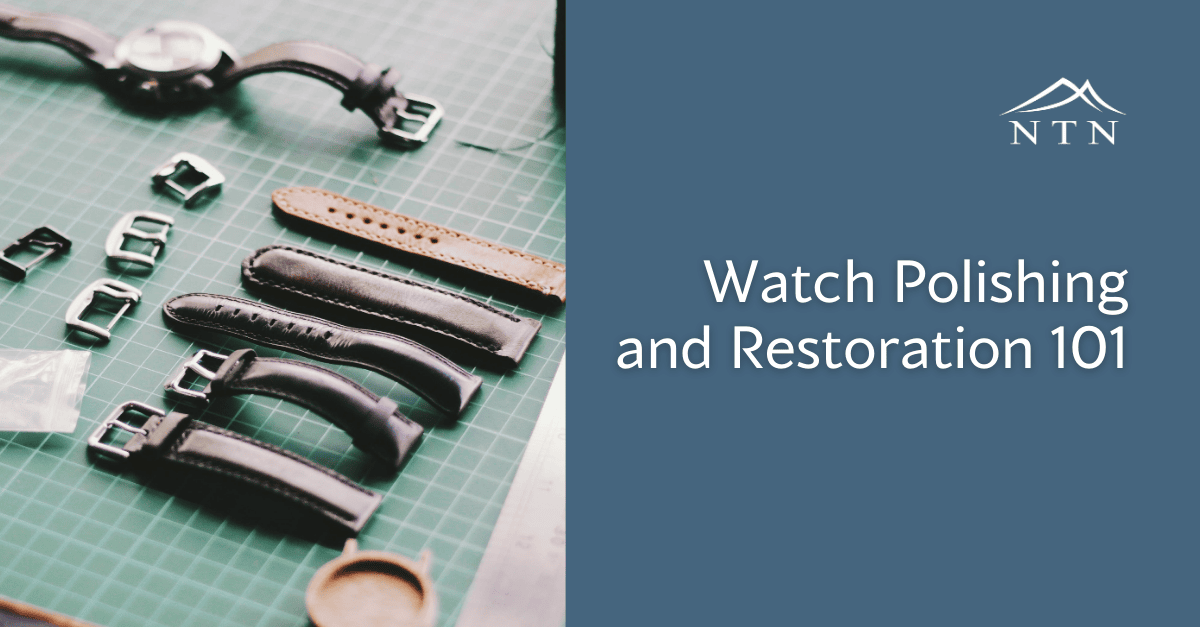
Watches are more than tools for telling time—they’re companions that mark personal milestones, achievements, and everyday moments. Over the years, though, even the finest timepieces lose their original shine. Small scratches, dull cases, and worn surfaces naturally appear with use. The good news? With the right approach to polishing and restoration, you can bring your watch back to life without compromising its value.
This guide explains how to polish a watch correctly, remove surface scratches, and maintain its finish for years to come. Whether you’re a collector or a casual wearer, understanding proper restoration techniques ensures your timepiece always looks its best.
Why Watch Polishing Matters
Every watch endures daily wear—brushing against sleeves, desks, or even tiny grains of dust. These small abrasions accumulate, gradually dulling the shine of the case and bracelet. Polishing restores that original brilliance by removing micro‑layers of metal or buffing away surface marks.
Beyond aesthetics, careful polishing also protects against corrosion. Scratches can trap moisture and dirt, especially on stainless steel, leading to oxidation over time. Regular restoration keeps your watch not only looking fresh but structurally sound.
However, polishing must be done carefully. Over‑polishing can blur edges, distort bevels, and even alter the watch’s original design lines. The goal is renewal, not transformation.
Understanding Your Watch’s Finish
Before touching a polishing cloth, it’s important to understand your watch’s surface finish. Most timepieces combine two main types—polished and brushed.
A polished finish is smooth and reflective, seen on mirror‑like surfaces such as bezels or case sides. A brushed finish, on the other hand, has fine linear textures that diffuse light, giving a more subdued appearance.
Each requires different techniques. Polished surfaces need gentle buffing to restore shine, while brushed areas require directional refinishing to maintain texture consistency. Mixing the two incorrectly can ruin the finish balance.
If your watch combines both styles, tape off one area while working on the other to preserve definition.
Tools and Materials for Watch Polishing
You don’t need a workshop to restore your watch—just a few specialized tools and patience.
Start with a microfiber cloth for light cleaning and a jewelry polishing cloth for general touch‑ups. For deeper work, use polishing compounds like Cape Cod or Polywatch, depending on the material and type of scratch.
A soft toothbrush, masking tape, and cotton swabs help control precision during cleaning. If working on a metal bracelet, a spring bar tool allows you to remove it safely before polishing.
For professional‑level results, a rotary polishing machine with variable speed can be used, but only with practice. Incorrect use may generate heat or remove too much metal.
How to Polish a Watch Case
To polish a watch case, begin by cleaning it thoroughly. Any dust or residue can cause further scratching during polishing. Use a gentle soap solution and dry it completely with a microfiber cloth.
Next, apply a small amount of polishing compound to the cloth and use light, circular motions. Focus on one area at a time, maintaining consistent pressure. Let the compound do the work—too much force can overheat or distort the surface.
For polished surfaces, keep your strokes even and avoid edges. For brushed finishes, polish in straight lines following the original grain pattern. You can use a fine abrasive pad or Scotch‑Brite for this, moving in one direction only.
Once satisfied, wipe off residue with a clean cloth and inspect under natural light. Repeat if necessary, but remember that minimal passes preserve the watch’s geometry.
Removing Scratches from the Crystal
The crystal is often the first part of a watch to show age. Fortunately, minor scratches can often be removed at home.
If your watch has an acrylic crystal, use a small dab of Polywatch on a soft cloth and rub it in circular motions for a few minutes. Acrylic is soft enough to respond quickly.
For mineral glass, polishing is trickier. Light marks may respond to cerium oxide paste, but deeper scratches require professional equipment.
Sapphire crystals, prized for their hardness, are nearly scratch‑proof—but once damaged, they must usually be replaced rather than polished.
Always mask the bezel and case before working on the crystal to avoid accidental damage.
Restoring Metal Bracelets
Bracelets endure constant friction and are often the first to lose their luster. To restore them, detach the bracelet from the case for better control.
For polished links, use a jewelry cloth or mild compound in gentle circular motions. For brushed links, follow the grain direction using a fine abrasive pad.
Stubborn dirt between links can be removed with warm water, mild soap, and a soft brush. Dry thoroughly afterward to prevent corrosion.
If your bracelet combines both polished and brushed finishes, work on each section separately. Masking tape helps maintain clean transitions between textures.
When to Leave It to Professionals
DIY polishing is safe for light wear marks, but deeper scratches, dents, or case refinishing should always be entrusted to a professional watchmaker.
Experts use precision tools, microscopes, and graded compounds to restore surfaces while preserving original contours and factory tolerances. They can also reapply coatings like PVD or DLC finishes, which require specialized equipment.
If your watch holds significant value—either emotional or financial—professional restoration ensures it remains authentic while regaining its brilliance.
How Often Should You Polish a Watch?
The frequency of polishing depends on how you wear your watch. Daily wearers might benefit from light touch‑ups every few months and full polishing every two to three years.
Over‑polishing is a real concern. Each session removes a tiny amount of metal, which, done repeatedly, can round sharp angles or thin lugs. The key is moderation—restore only when needed.
For collectors, minimal polishing preserves resale value. Many enthusiasts prefer a watch with light patina over one that’s been overly refinished.
Handling Different Watch Materials
Different materials require different care approaches.
Stainless steel is the most forgiving and responds well to both hand and machine polishing. Titanium, while strong, has a more porous surface that requires finer compounds and less pressure.
Gold watches are softer and should be polished sparingly using non‑abrasive cloths. Avoid commercial metal cleaners that might strip color or detailing.
For ceramic watches, polishing isn’t effective at all—scratches can’t be removed without specialized equipment, so prevention is crucial.
Understanding your watch’s composition helps you choose the safest method.
Dealing with Deep Scratches and Dents
Surface scratches can be polished out, but deep gouges need a different approach.
Professionals often use micro‑abrasion or laser filling to restore deeper damage. This process rebuilds the affected area before re‑finishing the surface.
Attempting to sand or grind deep marks at home can permanently distort the watch’s shape. If a scratch catches your fingernail, it’s best left to an expert.
Cleaning Before and After Polishing
Proper cleaning is critical before and after polishing. Even tiny dust particles can cause micro‑scratches if dragged across the surface.
Use mild soap and lukewarm water for metal watches. For leather straps, use a damp cloth only—never submerge them.
After polishing, always remove leftover compound residues. These can harden over time and attract grime. A microfiber cloth or compressed air works well for this.
Finish by applying a light protective coat using a clean jewelry cloth to enhance luster and prevent oxidation.
Watch Restoration Beyond Polishing
True watch restoration goes beyond surface shine. It’s about reviving the overall presence of the timepiece—cleaning the dial, rehabbing the bracelet, and sometimes even servicing the movement.
If your watch is vintage, restoration may include replacing worn gaskets, refinishing the crown, or reluming aged markers. These small touches maintain both functionality and heritage.
Restoration should always respect authenticity. Avoid replacing parts unnecessarily or polishing away the subtle signs of age that give a watch its character.
Preventing Future Scratches
Prevention is always better than restoration.
Avoid placing your watch near keys, coins, or hard surfaces. When not wearing it, store it in a soft pouch or lined watch box.
Wipe it regularly with a microfiber cloth to remove oils and debris. For sports or outdoor use, consider watches with scratch‑resistant coatings or sapphire crystals.
Even small habits, like removing your watch before physical activity or cleaning, can dramatically extend its pristine appearance.
The Importance of Regular Maintenance
Polishing is only one part of caring for your watch. Regular maintenance—checking seals, cleaning movements, and testing water resistance—ensures it performs as beautifully as it looks.
Most experts recommend a full service every three to five years. During this, professionals can assess your watch’s condition and restore both its aesthetics and precision.
Combining periodic servicing with careful polishing keeps your timepiece in excellent shape for decades.
Restoring Vintage Watches: A Special Case
Vintage watches require a lighter touch. Their charm often lies in their patina—the gentle fading and soft wear that tell a story.
For these pieces, restoration focuses on preservation rather than perfection. Clean gently, polish minimally, and maintain originality wherever possible.
Collectors value authenticity, so over‑restoration can actually reduce a vintage watch’s worth. A light buff to remove grime or brighten the crystal is often enough.
If you’re unsure, always consult a restoration specialist experienced with vintage models.
Combining Style and Care
A well‑polished watch complements your personal style. Whether you wear it daily or only on special occasions, taking time to maintain its appearance reflects care and appreciation for craftsmanship.
If you’re looking to expand your collection with pieces that combine durability, precision, and timeless design, explore NTN’s curated watch selection. Each watch is designed to stand the test of time—both mechanically and aesthetically.
Final Thoughts
Learning how to polish a watch isn’t just about removing scratches—it’s about preserving the connection between you and your timepiece.
Proper restoration restores not only shine but pride of ownership. With careful attention, the watch on your wrist can look as elegant as the day you first wore it.
Polish sparingly, store wisely, and maintain regularly. A watch that’s cared for doesn’t just measure time—it carries it beautifully.


