


Blog
Watch Maintenance Basics: When and How Often Should You Service a Watch?

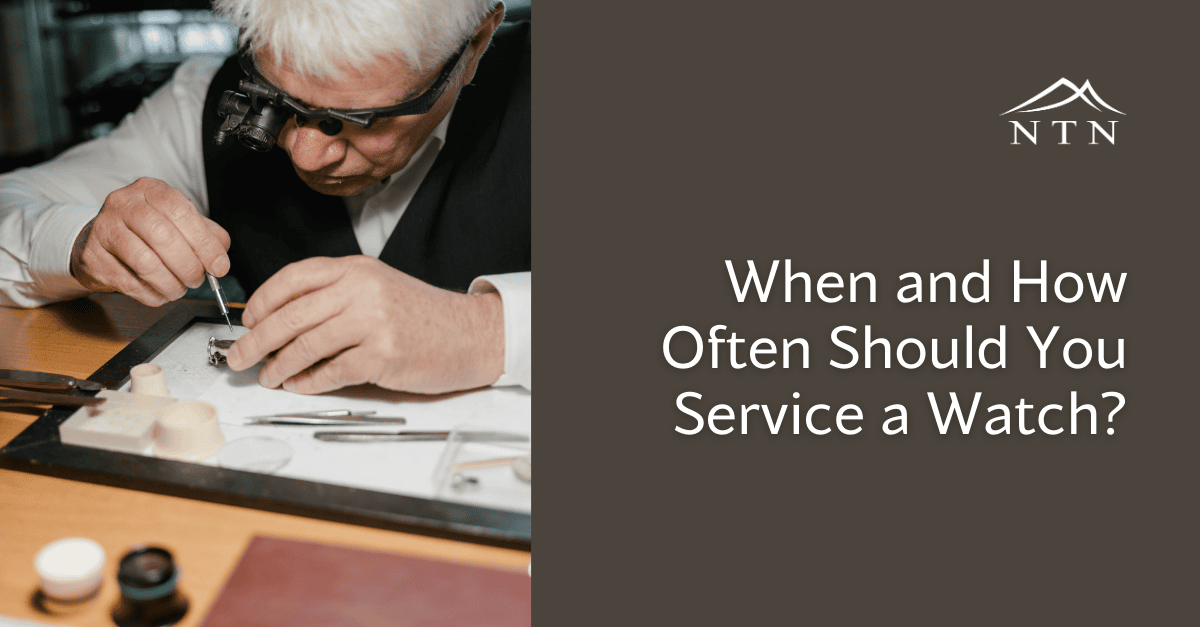
Every watch, whether mechanical or quartz, is a finely tuned machine. Inside the case are dozens of tiny components working together in precise harmony to keep time.
Like any machine, a watch needs occasional care to perform at its best. Servicing and maintenance are what keep it accurate, reliable, and ready to last decades rather than just years.
But many owners struggle with one question: how often should you actually service a watch?
This guide explains everything you need to know about servicing frequency, essential maintenance habits, and how to spot the signs that your watch might need professional attention.
Why Watch Servicing Matters
A watch doesn’t stop working overnight—it slows down, loses accuracy, or develops tiny internal wear over time. Servicing prevents these issues before they turn into costly repairs.
Servicing isn’t just about cleaning or oiling. It’s a full inspection of the movement, gaskets, crown, and lubrication. Technicians disassemble the watch, clean every part, replace worn components, re‑oil the mechanism, and test it for timing accuracy and water resistance.
Regular servicing ensures your watch remains in peak condition, protecting both performance and long‑term value.
How Often Should You Service a Watch?
The short answer: most watches benefit from professional servicing every three to five years.
However, the exact interval depends on several factors—movement type, usage, environment, and storage habits.
Mechanical and automatic watches require more frequent attention because they rely on oils and mechanical friction. Quartz watches, powered by batteries, can go longer between services but still need periodic checks to maintain water resistance and cleanliness.
If you wear your watch daily, service it closer to the three‑year mark. If it’s part of a rotation and worn occasionally, every five years is usually sufficient.
Even if your watch seems to be running fine, preventive servicing saves you from hidden internal wear that can shorten its lifespan.
Understanding Watch Movements and Their Needs
Different watch movements have different servicing requirements.
Mechanical Watches
A mechanical watch uses a mainspring and gears to measure time. Over time, lubricants inside dry out, increasing friction and causing wear on pivots and wheels. Servicing re‑lubricates these parts and restores precision.
Mechanical watches generally need servicing every three to four years to maintain accuracy and prevent internal stress.
Automatic Watches
Automatic watches are mechanical, but they wind themselves through wrist movement. Because they’re often worn daily, they experience more consistent motion and friction inside the movement.
A full service every three to five years keeps the rotor, gears, and escapement working smoothly. Cleaning and re‑oiling prevent buildup that can affect timekeeping.
Quartz Watches
Quartz watches are low‑maintenance, but not maintenance‑free. Their electronic components are stable, but the lubricants in the gear train still age over time.
Battery replacements should happen every two to three years, and a complete movement inspection every five to seven years helps maintain performance and water resistance.
If your quartz watch stops unexpectedly or shows condensation, it’s time for service regardless of schedule.
Signs Your Watch Needs Servicing
Even if you don’t track the years, your watch will often give hints that it’s ready for attention.
If you notice any of the following, it’s time to take it to a qualified technician:
- Noticeable loss or gain in time
- Moisture or fogging under the crystal
- Grinding or stiffness when winding
- Power reserve running shorter than usual
- Unusual ticking sounds or erratic seconds hand movement
Ignoring these signs can lead to damage that’s far more expensive to repair later.
What Happens During a Watch Service
Professional servicing is a detailed process designed to restore your watch to factory‑level condition.
First, the technician disassembles the movement completely, often separating hundreds of individual parts. Each is cleaned using specialized ultrasonic machines that remove dust, oils, and residues.
Next, the clean components are inspected for wear. Any damaged wheels, jewels, or screws are replaced. The movement is then reassembled and lubricated with precise oils in microscopic quantities.
Once the movement is re‑cased, the watch undergoes timing tests in multiple positions, water‑resistance checks, and visual inspections for finish quality.
A properly serviced watch should perform as accurately as the day it left the factory—and last another cycle of years before needing more attention.
Watch Maintenance Tips Between Services
While full servicing requires professional tools, everyday maintenance is something every owner can do.
1. Keep It Clean
Wipe your watch with a soft microfiber cloth after wearing it. Sweat, dust, and moisture can damage metal and seals over time. For water‑resistant models, you can use a slightly damp cloth, but always dry thoroughly afterward.
2. Avoid Extreme Temperatures
Sudden temperature changes can cause parts to expand or contract, affecting timekeeping. Avoid leaving your watch in direct sunlight, near heaters, or in freezing conditions.
3. Protect Against Magnetism
Magnets are a hidden enemy of accuracy. Avoid placing your watch near phones, speakers, or laptop magnets. Magnetized parts can cause erratic timekeeping and may require demagnetization by a technician.
4. Respect Water Resistance Ratings
Water resistance isn’t permanent—it fades as gaskets age. Even if rated for swimming, avoid hot showers and saunas, as heat weakens seals. Have water resistance tested annually if you wear your watch in wet environments.
5. Wind and Wear Regularly
For mechanical or automatic watches, regular motion keeps oils distributed evenly. If you don’t wear your automatic watch often, consider winding it manually once a week or using a watch winder.
These habits extend the time between services and keep your watch performing smoothly.
How Environment Affects Servicing Frequency
Your surroundings play a bigger role than you might think.
If you live in a humid or dusty climate, moisture and fine particles can work their way into the case more easily, accelerating wear. In that case, aim for shorter service intervals—about every three years.
Those who live in temperate, dry regions or wear their watches less frequently can safely extend servicing to five years.
Frequent travelers who experience a range of climates should also consider more regular checks, especially for water‑resistant models exposed to salt air or heat.
The Cost of Neglect
Skipping servicing doesn’t just risk losing accuracy—it can cause long‑term damage.
When lubricants dry out, friction increases. This wears down pivots, gear teeth, and jewels, leading to irreversible movement wear. Once these parts degrade, repairs become more expensive than routine maintenance.
Think of servicing like changing the oil in a car. It may seem optional when the engine runs fine, but it’s essential to prevent major breakdowns later.
A small investment in regular maintenance keeps your watch healthy for decades—and preserves sentimental and resale value.
The Role of Professional Technicians
Not all servicing is equal. A qualified watch technician follows strict procedures and uses manufacturer‑approved tools and lubricants.
Avoid generic repair shops that lack specialized equipment. Proper watch servicing requires tools to open cases without scratching, precise torque settings for screws, and calibrated machines for timing adjustments.
Reputable technicians also provide a service record, which acts as a maintenance history for collectors and future buyers.
If your watch is under warranty, always use authorized service centers to maintain coverage.
How to Store Your Watch Between Wears
Proper storage is part of maintenance.
Keep your watches in a clean, dry environment away from direct sunlight. A watch box with soft linings prevents scratches and dust buildup.
If you own automatic watches, a winder helps keep them running and prevents oils from settling. However, it’s not mandatory—manual winding once in a while achieves the same effect.
Leather straps should be kept away from moisture and stored in breathable spaces to prevent cracking.
Adding a few silica gel packets to your storage box helps control humidity, especially in tropical climates.
Servicing Vintage and Collector Watches
Vintage watches require more delicate care. Their movements are often built with older materials that react differently to heat and modern lubricants.
For such pieces, servicing should be done only by specialists with access to appropriate parts and knowledge of period‑specific techniques.
Avoid unnecessary polishing or replacements that could reduce historical value. Instead, focus on preserving originality while ensuring functionality.
Collectors often service vintage watches every four to six years, depending on condition and wear frequency.
Quartz vs. Mechanical: Comparing Maintenance Costs
Quartz watches are generally cheaper to maintain since servicing often involves battery changes and occasional seal replacements.
Mechanical and automatic watches, however, require more labor and expertise. Full disassembly and lubrication take time, but the payoff is longevity and performance.
A quartz watch may go five to seven years between major services, while a mechanical one should ideally be inspected at least every three to five years.
Both, when properly cared for, can last a lifetime.
Building a Servicing Routine
The best approach is consistency.
Create a simple maintenance record—note down the date of each service, battery change, and water‑resistance test. This helps you stay on schedule and provides valuable records if you ever sell or insure your watch.
If you own multiple watches, rotate them regularly. This distributes wear evenly and reduces the stress on any single movement or strap.
Establishing a simple routine—clean, store, inspect, and service—ensures your watches always function as intended.
Choosing the Right Time to Service
Beyond fixed timelines, listen to your watch.
If accuracy suddenly shifts, the crown feels stiff, or condensation appears, don’t wait for a scheduled service. Early attention can prevent costly replacements.
For mechanical watches, a noticeable drop in power reserve is a clear indicator. For quartz, erratic behavior or shorter battery life often signals internal issues.
Being proactive is the best watch maintenance habit you can develop.
Caring for Your Watch Is an Investment
A well‑maintained watch doesn’t just keep time—it keeps memories. Servicing protects the craftsmanship inside and ensures that it continues to perform for the next generation.
If you’re looking to pair timeless design with lasting reliability, explore NTN’s collection of watches. Their pieces are designed for durability and everyday elegance, making regular care truly worthwhile.
Final Thoughts
Knowing how often to service a watch is the foundation of responsible ownership.
A simple routine—cleaning, mindful storage, and periodic professional servicing—keeps your watch running accurately and looking its best.
Whether it’s an heirloom mechanical piece or a daily quartz companion, maintenance is what turns a watch from a possession into a lifelong partner.
Time doesn’t stop—but with proper care, your watch will keep up beautifully.


