


Blog
The Ultimate Guide to Watch Materials

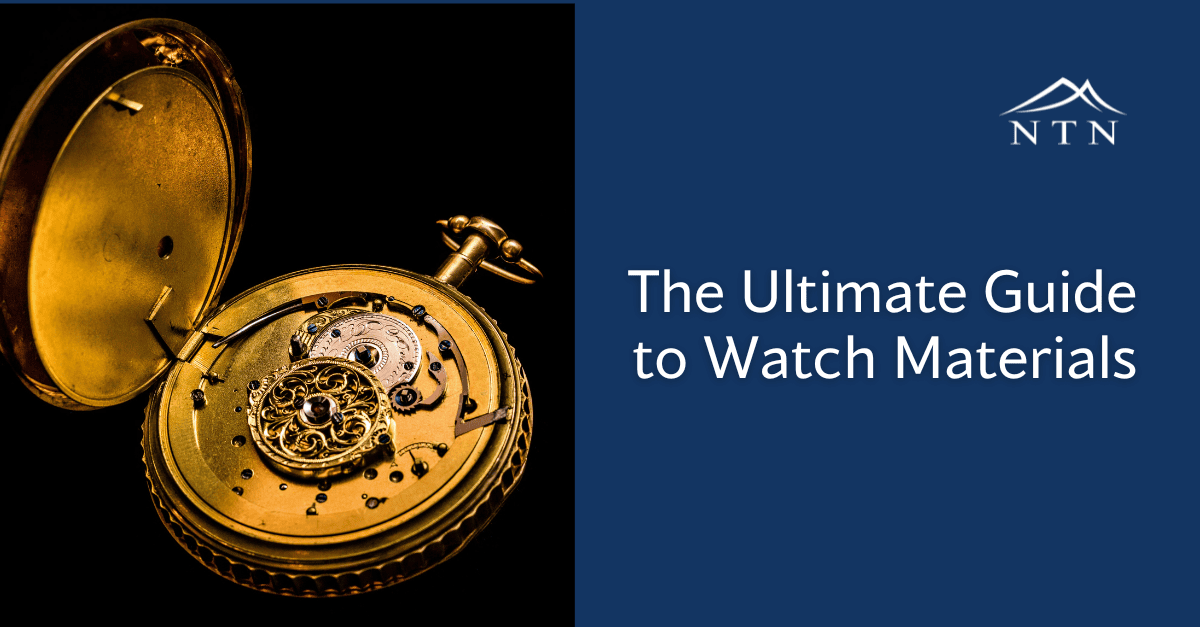
The material of a watch does more than decide how it looks—it affects how it feels, lasts, and fits your lifestyle. From the shine of stainless steel to the lightness of titanium or the sleek look of ceramic, each material offers something unique.
Knowing the difference between watch materials can help you choose a timepiece that matches your taste and daily needs. This guide breaks down the most common materials and explains their strengths, weaknesses, and style appeal.
Why Watch Material Matters
A watch’s material influences its durability, weight, comfort, and look. Some materials are better for formal wear, while others suit sports or everyday use.
Choosing the right one depends on your lifestyle. If you wear your watch to the office, you might want something polished and professional. If you’re active or outdoors often, you’ll want something light and tough.
The right material ensures your watch feels comfortable, lasts longer, and complements your wardrobe.
Stainless Steel: Strong, Classic, and Reliable
Stainless steel is the most common material used in watches — and for good reason. It’s durable, rust-resistant, and easy to maintain.
Steel watches look refined enough for formal events but are sturdy enough for daily wear. They can handle scratches, moisture, and temperature changes without losing their shine.
Polished steel has a glossy, elegant finish, while brushed steel gives a more casual or sporty look. If you want a watch that lasts for years and fits almost any outfit, stainless steel is a safe and stylish choice.
Titanium: Light and Comfortable
Titanium is popular for its light weight and strength. It’s about 40% lighter than steel but just as durable, making it comfortable for long wear.
It’s also resistant to corrosion and hypoallergenic—ideal for people with sensitive skin. The matte gray color gives it a modern, understated look.
Titanium watches are great for those who want strength without the heaviness of metal. It’s perfect for travelers, athletes, or anyone who prefers a watch that feels barely there yet lasts a lifetime.
Ceramic: Stylish and Scratch-Resistant
Ceramic watches are known for their sleek, modern appearance. The material is smooth, lightweight, and resistant to scratches, keeping its shine for years.
Unlike metal, ceramic doesn’t rust or lose color. It’s also hypoallergenic, so it won’t irritate your skin.
However, ceramic can crack if dropped on a hard surface, so it’s best for careful wearers. If you want something fashionable and futuristic, ceramic is a great pick.
Carbon Fiber: Tough and Sporty
Carbon fiber is strong, lightweight, and tough — making it a favorite for sports and outdoor watches. It’s resistant to heat, shocks, and corrosion, ideal for active lifestyles.
Its unique woven pattern gives it a bold, technical look, often seen in racing or adventure watches.
If you’re into athletic or rugged styles, carbon fiber offers both durability and personality.
Bronze: Vintage and Distinctive
Bronze watches stand out because they change over time. The metal develops a natural patina — a layer that gives it a vintage, weathered look.
This aging process makes every bronze watch unique. The warm color pairs beautifully with leather straps and casual outfits.
However, bronze can react with skin, leaving a faint green mark, so it’s better for occasional wear. If you love character and individuality, a bronze watch is worth considering.
Gold: Elegant and Luxurious
Gold is the metal of luxury and tradition. It’s softer than steel or titanium, which means it can scratch more easily, but its shine and warmth make it timeless.
Gold watches are often worn for formal occasions or as special keepsakes. Whether yellow, rose, or white gold, each variation adds elegance and sophistication.
For those who value craftsmanship and classic style, a gold watch never goes out of fashion.
Platinum: Rare and Refined
Platinum is one of the rarest and most valuable metals used in watches. It’s heavier than gold and has a beautiful natural shine that doesn’t fade over time.
It’s extremely durable and resistant to tarnish, making it ideal for collectors or those who want something truly exclusive.
If you appreciate subtle luxury and enduring quality, platinum is unmatched.
Resin and Plastic: Durable and Lightweight
Resin and plastic are used mainly in sports and digital watches. They’re lightweight, affordable, and resistant to shocks and water.
These materials are perfect for active people and outdoor adventures. They’re practical, easy to clean, and tough enough for everyday use.
While not luxurious, resin watches focus on function and comfort rather than style.
Sapphire Crystal: The Protective Layer
The watch crystal—the glass that covers the dial—plays a big role in durability. Sapphire crystal is the best option available. It’s extremely scratch-resistant and stays clear for years.
It’s harder than mineral glass and gives your watch a premium, polished look. Most high-quality watches today use sapphire crystal because of its clarity and toughness.
Choosing the Right Material for You
Picking the right watch material depends on how and where you plan to wear it.
Stainless steel is the best all-rounder—strong, stylish, and versatile. Titanium suits those who want something lighter and hypoallergenic. Ceramic is great for modern style with scratch resistance. Carbon fiber and resin are perfect for sports and adventure. Gold or platinum fits formal wear and collectors.
If you love variety, you can even mix materials—like a steel case with a ceramic bezel—for both durability and design.
To explore watches made from quality materials that balance design and comfort, browse NTN’s official collection for timeless options built for every lifestyle.
How to Care for Different Watch Materials
Each material needs specific care to stay in good shape.
For stainless steel, clean regularly with a soft cloth or mild soap and water. Titanium needs minimal care—just wipe it after use. Ceramic should be cleaned gently and stored carefully to avoid cracks.
Gold and bronze watches should be polished occasionally to maintain their shine. If you prefer the patina on bronze, leave it untouched—it adds character.
No matter the material, avoid harsh chemicals and store your watch in a cool, dry place.
Final Thoughts
The material of your watch defines its durability, comfort, and personality. Steel is timeless, titanium is light and modern, ceramic is sleek and stylish, and gold is classic and luxurious.
Each material tells a different story and suits different lifestyles. Understanding these differences helps you appreciate the craftsmanship behind your timepiece and choose one that feels right for you.
The best watch isn’t just about design—it’s about how it fits your life. Whether you value strength, elegance, or innovation, the right material ensures your watch stands the test of time.


