


Blog
The Science of Precision: How Watches Keep Perfect Time

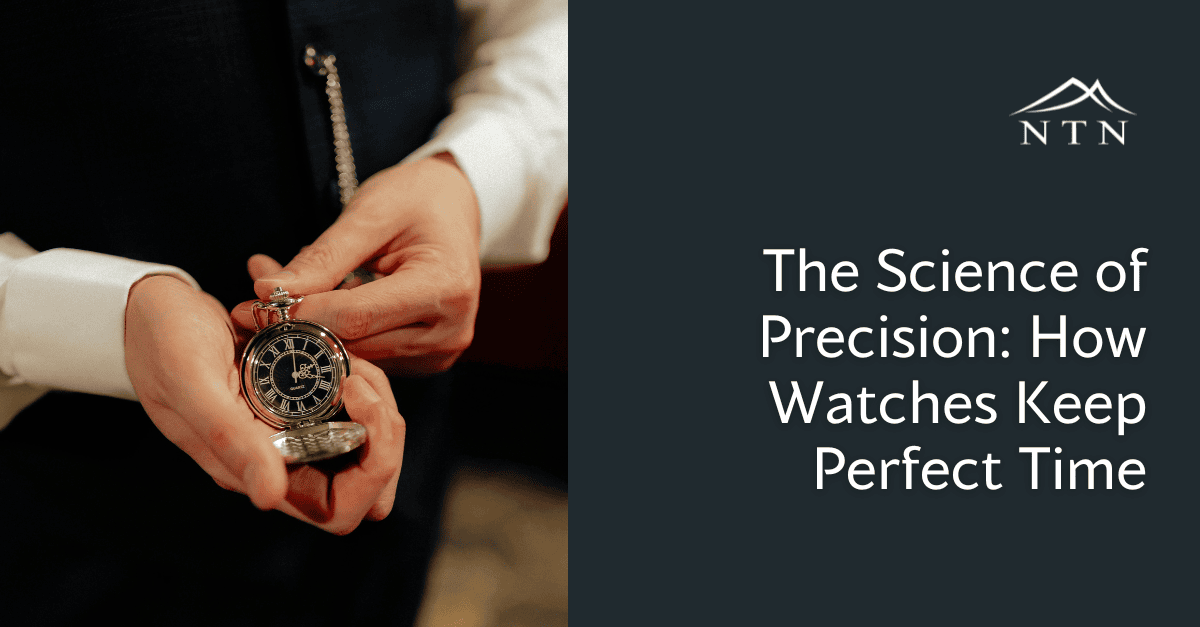
A watch is one of the most fascinating inventions ever made. Every tick, every movement inside it, is a result of centuries of learning, craft, and engineering. Watches do more than tell time—they show the perfect balance between science and art.
Even today, when digital devices can easily tell us the time, mechanical and quartz watches remain special. They represent our timeless desire to measure time with beauty, accuracy, and meaning.
Why We Care About Time
From the earliest sundials to the most advanced atomic clocks, people have always tried to track time more accurately. Watches are the personal version of that journey. They’re small, portable reminders of human curiosity and precision.
When you wear a watch, you’re not just keeping time—you’re connecting to the long history of how humans learned to measure it.
How Watches Measure Time
No matter what type of watch you wear, they all work on one simple principle: consistent movement. This regular motion is what allows a watch to track seconds, minutes, and hours.
There are two main types of watches: mechanical and quartz. Both are built differently but share the same goal—keeping time as accurately as possible.
Mechanical watches use springs and gears, while quartz watches use electricity and a vibrating crystal. Despite the differences, both rely on precision to function perfectly.
Mechanical Watches: Timekeeping by Movement
Mechanical watches are powered by energy stored in a tiny coil called the mainspring. When it’s wound, it slowly unwinds and transfers energy through a series of gears that move the hands on the dial.
But this energy needs control. That’s where the escapement and balance wheel come in. They regulate how energy is released so the hands move at a steady pace.
The balance wheel swings back and forth, like a pendulum, keeping rhythm. This steady oscillation is what allows a mechanical watch to tick reliably.
Every part must work in perfect harmony. Even a small error can throw off the timing, which is why mechanical watches are so admired—they are tiny, precise machines built by skilled hands.
The Heart of a Watch: The Escapement
The escapement is what gives a mechanical watch its rhythm. It’s the part that divides time into small, equal parts. Each swing of the balance wheel allows a small burst of energy to move the hands forward.
The smoother and more stable this motion, the more accurate the watch. But things like gravity, temperature, or even small shocks can affect this delicate balance.
To improve consistency, modern watches often use special materials like silicon or anti-magnetic alloys to keep accuracy stable in different conditions.
Quartz Watches: Accuracy Through Vibration
Quartz watches changed timekeeping forever. Instead of relying on springs or gears, they use a small piece of quartz crystal and a battery.
When electricity passes through the quartz, the crystal vibrates at a steady rate—exactly 32,768 times per second. These vibrations are counted by a circuit and converted into precise movement.
That’s why quartz watches are so accurate. They usually lose or gain only a few seconds per month, much less than even the best mechanical watches. They’re also durable and easy to maintain, which makes them perfect for everyday wear.
Atomic Time: The Ultimate Standard
At the highest level of precision, there are atomic clocks. They measure time using the vibrations of atoms and are accurate to within billionths of a second.
Some modern watches sync automatically with atomic clocks through radio or GPS signals. This means they adjust themselves to stay perfectly accurate, no matter where you are in the world.
These connections between watches and atomic clocks show how far we’ve come—from winding springs to syncing with satellites—all in pursuit of perfect time.
Innovation and Watch Accuracy
Watchmakers are always finding new ways to make watches more accurate and reliable. Today’s watches use advanced materials like ceramic, titanium, and silicon to resist heat, magnetism, and wear.
Computer-aided design helps create microscopic components with perfect precision. Even traditional movements now include modern upgrades that improve accuracy and durability.
Mechanical watches, once thought to be outdated, continue to evolve. Some now feature high-frequency movements that improve precision, while still keeping the charm of traditional craftsmanship.
How the Environment Affects Timekeeping
Even the best watches can be influenced by their surroundings. Temperature changes can cause metals to expand or contract, which affects timing. Magnetism and sudden shocks can also disturb the movement.
To combat this, watchmakers use special materials and designs that protect accuracy. Anti-magnetic cases, shock absorbers, and temperature-resistant alloys keep watches running smoothly in any condition.
Quartz watches are less affected by these factors, but mechanical ones need regular care to maintain their precision.
Craftsmanship and Human Touch
Behind every precise watch is human craftsmanship. Even with modern machines, the final assembly and adjustment depend on the skill of watchmakers.
Regulating a watch—making sure it keeps perfect time—requires careful testing. Watches are checked in different positions and temperatures before being approved.
This attention to detail is what gives a fine watch its soul. It’s not just about mechanics—it’s about artistry and dedication.
Brands like NTN carry this spirit forward. Their watches combine modern technology with traditional hand-finishing, creating timepieces that celebrate both accuracy and craftsmanship.
The Emotional Side of Precision
Precision in watchmaking is not only about science—it’s also about emotion. Every tick marks a passing second, a reminder of the value of time.
Mechanical watches let you feel time physically. You can hear their rhythm and sense the work happening inside. Quartz watches, though silent, represent our modern desire for perfection and simplicity.
In both cases, precision reflects something human—the wish to bring order to time and to make each moment count.
Testing for Accuracy
Before a watch leaves the workshop, it undergoes strict testing to ensure accuracy. Mechanical watches are often certified by official organizations like the COSC, which tests them over several days in different conditions.
Quartz watches are tested for durability and temperature resistance. These tests ensure that watches stay consistent no matter where or how they’re worn.
Each test proves that precision isn’t just promised—it’s built into every detail.
The Future of Precision in Watches
The science of watch precision is still evolving. New technologies like smart materials, energy-efficient movements, and solar charging are making watches more advanced and sustainable.
Future watches may self-adjust to atomic time or even use new energy sources. But one thing will never change—the goal of perfect accuracy combined with timeless design.
The future of watchmaking will continue to balance innovation and tradition. Even as technology moves forward, the art of keeping time will always remain a craft of patience and precision.
Why Precision Still Matters
You might wonder: why do we still care about precise watches when phones can tell perfect time? The answer is simple—because watches mean more.
A precise watch isn’t just about seconds—it’s about trust, beauty, and craftsmanship. It’s a small piece of human achievement you can wear on your wrist.
Every detail, from the ticking movement to the polished case, represents effort and skill. That’s why precision in watchmaking still matters—it connects science with emotion.
Final Thoughts
The science behind watches is both simple and extraordinary. Whether powered by springs or crystals, every watch tells a story of human creativity and precision.
A watch doesn’t just keep time—it honors it. It reminds us to value every moment and to admire the craftsmanship that makes each second possible.
In the end, precision in watches is about more than accuracy—it’s about appreciation. It’s the art of measuring life beautifully, one second at a time.


