


Blog
The Connection Between Watches and Travel Culture

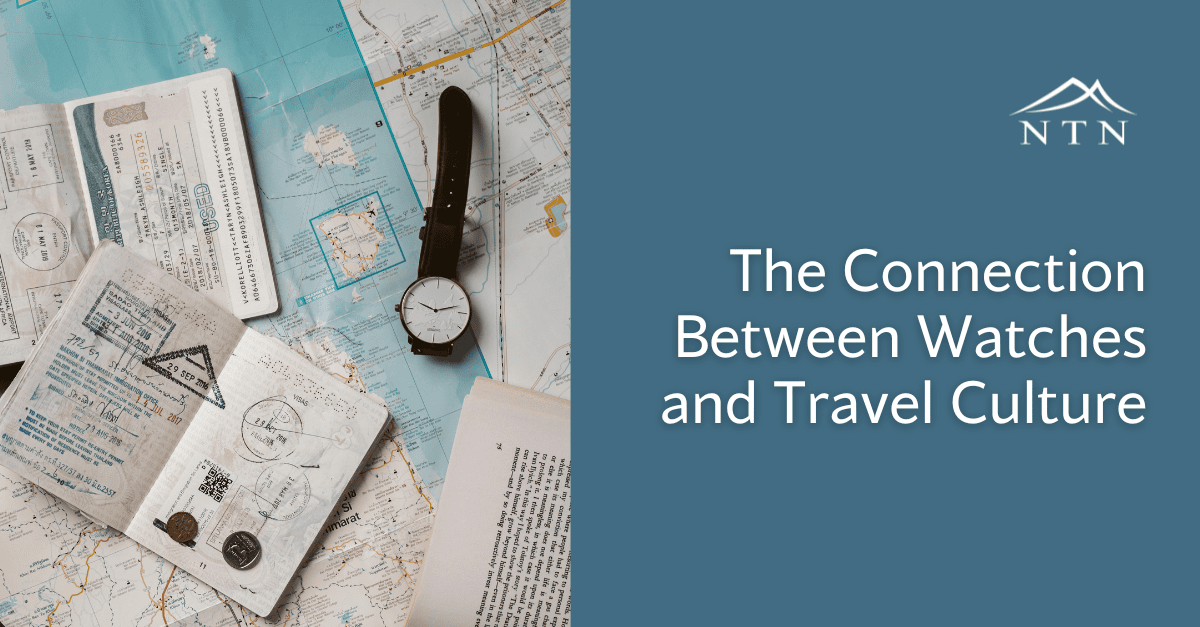
Watches and travel have been intertwined since the first explorers set sail across uncharted seas. The connection between watches and travel culture is not just about keeping time—it’s about freedom, curiosity, and the human desire to explore. A watch is more than a practical accessory for travelers; it’s a symbol of movement, precision, and the passage of experience through time.
From the days of maritime navigation to modern jet-setting lifestyles, watches have evolved alongside travel itself. They’ve guided explorers through oceans, pilots across continents, and adventurers through some of the world’s most unforgiving terrains.
The Origins of Travel Timekeeping
Before wristwatches became common, navigation depended on precise timekeeping. In the 18th century, the invention of the marine chronometer allowed sailors to determine longitude accurately—a breakthrough that changed global exploration forever.
For the first time, explorers could measure distance and direction with confidence. Timekeeping became inseparable from travel, and watches evolved from instruments of survival into indispensable companions for those on the move.
Over time, as travel expanded beyond the seas, timepieces adapted to new frontiers—railways, air travel, and global expeditions. Each era brought new demands, pushing watchmakers to create designs that reflected the changing ways people experienced the world.
The Rise of the Wristwatch and the Age of Exploration
In the early 20th century, the wristwatch replaced the pocket watch as the traveler’s tool of choice. Compact, durable, and easier to access, it became essential for soldiers, aviators, and adventurers.
Pilots used their watches to navigate vast skies when instruments were limited. Explorers relied on them to synchronize movements and manage resources during long expeditions. The wristwatch became a universal symbol of readiness—an emblem of those who lived by time but refused to be bound by it.
As commercial travel grew, watches began to reflect the glamour of exploration. People associated them with adventure, discovery, and the allure of distant places. To wear a watch was to express curiosity and control—to keep the world close, even while chasing horizons.
The Jet Age and the Birth of the Traveler’s Watch
The mid-20th century marked a new chapter in the relationship between watches and travel. The world was shrinking as air travel became accessible, and for the first time, travelers could cross multiple time zones in a single day.
This new mobility brought new challenges. Pilots and frequent flyers needed watches that could track different time zones simultaneously. The answer came in dual-time and GMT (Greenwich Mean Time) watches—timepieces designed specifically for travelers.
GMT watches symbolized global connection. They allowed wearers to read both local time and home time at a glance—a subtle reminder of how travel bridges distance and culture. These watches became essential tools for international pilots, journalists, and business travelers, representing a new rhythm of life shaped by constant movement.
Watches as Companions of Discovery
For travelers, a watch is more than a device—it’s a companion. It measures not just hours but memories: the sunrise seen from an airplane window, the moment a train departs, or the countdown to a long-awaited destination.
Every scratch on a traveler’s watch tells a story—the trail hiked, the city explored, the mountain climbed. Over time, these timepieces become personal archives of journeys taken and moments lived.
This emotional connection is what makes watches so enduring in travel culture. Even in an age of smartphones and digital timekeeping, many travelers still prefer analog watches because they carry history, texture, and meaning that digital screens cannot replicate.
The Watch as a Symbol of Freedom and Precision
Travel culture celebrates freedom—the ability to move, to experience, to explore. Watches, in turn, symbolize control within that freedom. They bring structure to the chaos of travel, helping us manage flights, schedules, and connections while keeping us grounded in time.
But beyond practicality, a watch captures the essence of precision. It reflects the traveler’s mindset: alert, prepared, and aware of every passing moment. Whether crossing borders or time zones, a well-crafted watch anchors the traveler in rhythm with the world.
This balance between freedom and order explains why watches remain central to travel identity. They embody both adventure and awareness—a perfect harmony between motion and mindfulness.
Cultural Influence and Global Identity
Watches have also become cultural touchstones in travel. Different regions and traditions inspire distinct design philosophies, and travelers often choose watches that reflect the places they visit or the cultures they admire.
A minimalist design might evoke the calm landscapes of Scandinavia, while a rugged field watch recalls the spirit of mountain expeditions. Travel exposes us to diversity, and watches mirror that diversity through materials, textures, and design details influenced by global aesthetics.
In this way, the connection between watches and travel culture becomes not only functional but expressive. A watch tells the world where you’ve been, what you value, and how you see time itself.
The Modern Traveler and the Watch’s Evolution
Today’s traveler navigates a world that moves faster than ever. GPS, smartphones, and global networks have redefined how people experience time and distance. Yet, watches remain as relevant as ever—not because they are necessary, but because they are meaningful.
Modern travel watches blend heritage with innovation. They feature world timers, solar charging, and smart connectivity, yet they still preserve the essence of traditional craftsmanship. Whether digital or mechanical, these watches continue the legacy of precision and endurance that explorers once relied on.
For many, wearing a watch while traveling is a ritual—a reminder to slow down in a world obsessed with speed. It’s an act of mindfulness, a way of being present while moving through time and space.
The Emotional Element of Travel Timekeeping
The bond between a traveler and their watch often deepens with each journey. Watches bear witness to life’s transitions—the first solo trip, the long-awaited reunion, the quiet moment in a foreign city.
They connect past and present, turning fleeting experiences into tangible memories. When a traveler glances at their watch, they’re not just checking time—they’re reliving moments of discovery, challenge, and wonder.
That emotional continuity is what makes watches timeless in travel culture. They are both practical tools and emotional companions, linking the traveler to every place they’ve been.
Sustainability and the New Era of Conscious Travel
As modern travelers become more conscious of their impact on the world, the relationship between watches and travel continues to evolve. Many watchmakers are embracing sustainability—using recycled materials, renewable energy, and ethical production methods—to align with the values of today’s explorers.
This shift mirrors a broader cultural change: travel is no longer just about seeing the world, but about respecting it. A durable, responsibly made watch symbolizes that philosophy, representing care not just for time, but for the planet itself.
Sustainability in watchmaking also connects back to longevity—the idea that a watch, like an experience, should last. It reflects a traveler’s desire to collect memories, not possessions.
Watches and the Spirit of Global Connection
In many ways, the connection between watches and travel culture represents something universal—the human desire to connect. Timekeeping unites travelers across borders, languages, and generations.
When you wear a watch while traveling, you carry a piece of your home with you. The ticking hands remind you that no matter where you are, time remains a shared rhythm that links people across the world.
That sense of unity is what makes watches truly timeless. They transcend technology and fashion, offering a bridge between past and future, between here and there.
If you’re drawn to that same sense of connection and exploration, you can explore thoughtfully designed timepieces at NTN’s official website. Their philosophy celebrates craftsmanship that reflects the same spirit of travel—precision, durability, and curiosity about the world.
The Timeless Appeal of Travel Watches
What began as a navigational necessity has become an enduring symbol of exploration and identity. The traveler’s watch represents more than time—it represents the journey itself.
Even as technology advances, the emotional and symbolic role of watches in travel remains unchanged. They remind us that while we may move faster than ever, the essence of exploration lies in being present, aware, and connected to the world around us.
The connection between watches and travel culture is ultimately a story about humanity’s relationship with time—how we measure it, respect it, and carry it with us wherever we go.
From the first explorers at sea to the modern digital nomad, every traveler shares one truth: time is both the journey and the destination.


