


Blog
Legendary Watchmakers Who Changed the Industry

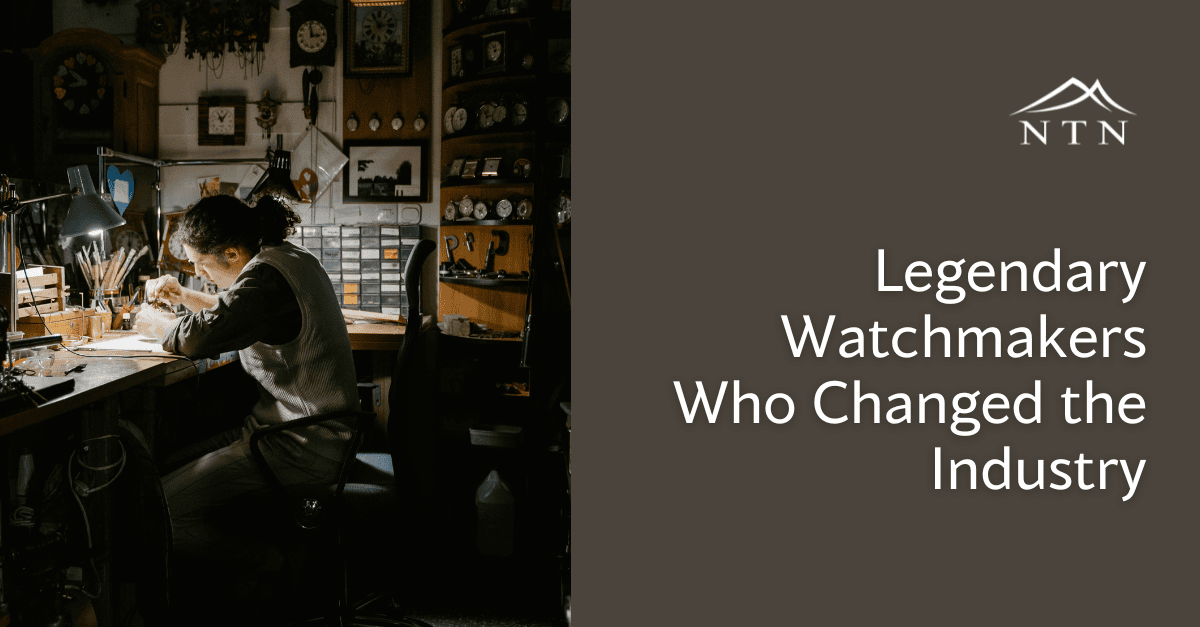
Every tick of a watch carries centuries of innovation, craftsmanship, and vision. Behind every mechanical breakthrough and iconic design are the minds who dared to redefine how humanity measures time. The legendary watchmakers who changed the industry didn’t just build watches—they built legacies that still influence design, technology, and culture today.
While modern watches blend technology and style, their foundations rest on the ideas of these pioneers. From inventors who perfected mechanical movements to artisans who turned timepieces into works of art, their stories explain why watchmaking remains one of the most respected crafts in the world.
The Dawn of Modern Watchmaking
The history of watches is inseparable from the people who shaped it. Early horologists weren’t just craftsmen; they were engineers, mathematicians, and artists. In the 16th and 17th centuries, portable clocks evolved into pocket watches—symbols of intellect and status.
As technology advanced, precision became the ultimate goal. Watchmakers devoted their lives to improving accuracy, miniaturizing components, and creating mechanisms that could endure generations. These innovations transformed timekeeping from a luxury into a necessity, setting the stage for the modern wristwatch.
The great innovators that followed didn’t just refine watches; they changed how people thought about time itself.
From Function to Precision: The Birth of Accuracy
As the world moved into the age of exploration, accuracy in timekeeping became vital. Navigators needed dependable instruments to measure longitude at sea, and scientists required precise time for experiments. This demand gave rise to the first wave of watchmaking geniuses.
They improved escapements, balance springs, and calibration methods, turning watches from decorative objects into scientific tools. This obsession with accuracy continues today, driving everything from quartz innovations to atomic timekeeping.
The pioneers of this era laid the groundwork for what would become the golden age of horology—a time when craftsmanship, mathematics, and art converged in perfect harmony.
The Masters of Mechanical Craft
Mechanical watches remain awe-inspiring because they represent human ingenuity without reliance on electronics. The great mechanical watchmakers devoted their lives to perfecting movements that could measure time flawlessly through gears, springs, and balance wheels.
They understood that a watch was more than an instrument—it was a living mechanism, powered by motion and precision. Their innovations, from automatic winding systems to tourbillons and perpetual calendars, brought new depth to how watches functioned.
What set these masters apart was not just technical skill but their philosophy. They believed that timekeeping was a reflection of life itself—complex, rhythmic, and deeply personal.
The Artisans Who Elevated Design
While precision defined the mechanical age, artistry gave watches their soul. Great watchmakers understood that a timepiece had to be both functional and beautiful. The dial became a canvas, the case a sculpture, and the movement a hidden masterpiece.
From intricate engraving to enamel painting and skeletonized designs, these creators transformed watches into wearable art. Their work bridged engineering and emotion, making each watch not just a tool but a personal statement.
Even today, collectors prize these artistic touches—the hand-finished bridges, unique dial textures, and elegant proportions that distinguish true craftsmanship from mass production.
The Innovators Who Redefined Technology
The 20th century brought a revolution in materials and mechanics. Watchmakers began experimenting with new technologies that would forever change the industry.
The introduction of quartz movements in the late 1960s redefined accuracy, making watches more accessible and dependable than ever. Though it disrupted traditional mechanical watchmaking, it also pushed artisans to reassert the value of craftsmanship and heritage.
Later, the rise of digital and smart technologies added new dimensions to timekeeping. Yet, even among these innovations, traditional watchmakers continued to influence design philosophy and engineering standards. Their spirit of innovation became the blueprint for progress.
Visionaries Who Reshaped Modern Horology
Modern watchmaking owes much to those who dared to challenge conventions. These visionaries combined heritage with experimentation, creating timepieces that merged art, science, and storytelling.
They were the first to see a watch not merely as a device but as an experience—something that connects generations and defines personal identity. From reimagining classic complications to introducing advanced materials like ceramics and titanium, these innovators ensured that watchmaking evolved without losing its essence.
Their work reminds us that progress doesn’t erase tradition—it builds upon it.
The Philosophy Behind Craftsmanship
What unites all legendary watchmakers is a shared belief: timekeeping is an art of balance. Every detail, from the click of a crown to the glide of a second hand, must be deliberate and harmonious.
They pursued perfection not for profit, but for pride—in precision, durability, and beauty. Their legacy endures because their creations embody patience, skill, and respect for time itself.
This philosophy continues to shape how modern watchmakers design and produce timepieces. Even in factories filled with advanced technology, the human touch—engraving, polishing, assembling—remains irreplaceable.
The Global Influence of Watchmaking Pioneers
The impact of these watchmakers isn’t confined to one region. Each culture contributed something unique to the craft.
European watchmakers introduced mechanical precision and classical elegance, while Asian innovators perfected reliability and efficiency. American creators brought modernity and mass accessibility to the forefront. Together, they built an industry that reflects both artistry and science on a global scale.
This diversity of influence has kept watchmaking vibrant. Whether minimalist Scandinavian design or intricate Swiss detailing, every region’s cultural identity adds dimension to the global story of time.
Legacy and Inspiration for the Future
The influence of legendary watchmakers extends far beyond horology. Their innovations have shaped engineering, fashion, and design as a whole. They inspired architects, artists, and technologists to blend beauty with functionality.
Even as smartwatches dominate the market, traditional watchmaking remains a benchmark for craftsmanship. The patience, skill, and imagination that defined the masters of the past continue to guide new generations of artisans.
For collectors and enthusiasts, owning a finely crafted watch is like holding history on the wrist—a tribute to centuries of human creativity.
If you appreciate craftsmanship that honors both innovation and tradition, explore the thoughtfully designed collections at NTN’s official website.
The Emotional Connection to Time
Beyond craftsmanship and innovation lies something deeply personal: emotion. Legendary watchmakers understood that a watch isn’t just worn—it’s lived with. It marks milestones, accompanies journeys, and becomes part of one’s identity.
That’s why the greatest timepieces are more than mechanical marvels; they’re symbols of human experience. The act of winding a watch or glancing at its dial connects us to a lineage of passion and progress.
This emotional connection ensures that watchmaking will never become obsolete. Time moves forward, but the stories embedded in these creations remain timeless.
The Timeless Lessons of Watchmaking Masters
From the earliest horologists to modern innovators, the lessons of great watchmakers endure. They teach us that true progress blends patience with precision, and that art and science are not opposites but partners.
Their dedication reminds us that even in an age of automation, craftsmanship still matters. Every timepiece that carries their influence stands as proof of what human hands and imagination can achieve.
The industry they transformed continues to evolve, but its heart remains the same—measuring time not just in seconds, but in meaning.
Final Thoughts
The legendary watchmakers who changed the industry shaped more than watches—they shaped how we experience time. Their work intertwines artistry with engineering, emotion with function, and tradition with innovation.
From the earliest mechanical breakthroughs to the refined technology of modern horology, each generation built upon the vision of those before them. They didn’t just create watches; they created timeless symbols of human achievement.
Today, when we wear a finely crafted timepiece, we carry their spirit with us—a reminder that time, in all its precision and mystery, is both a science and an art.


