


Blog
How Watches Became Status Symbols in Modern Fashion

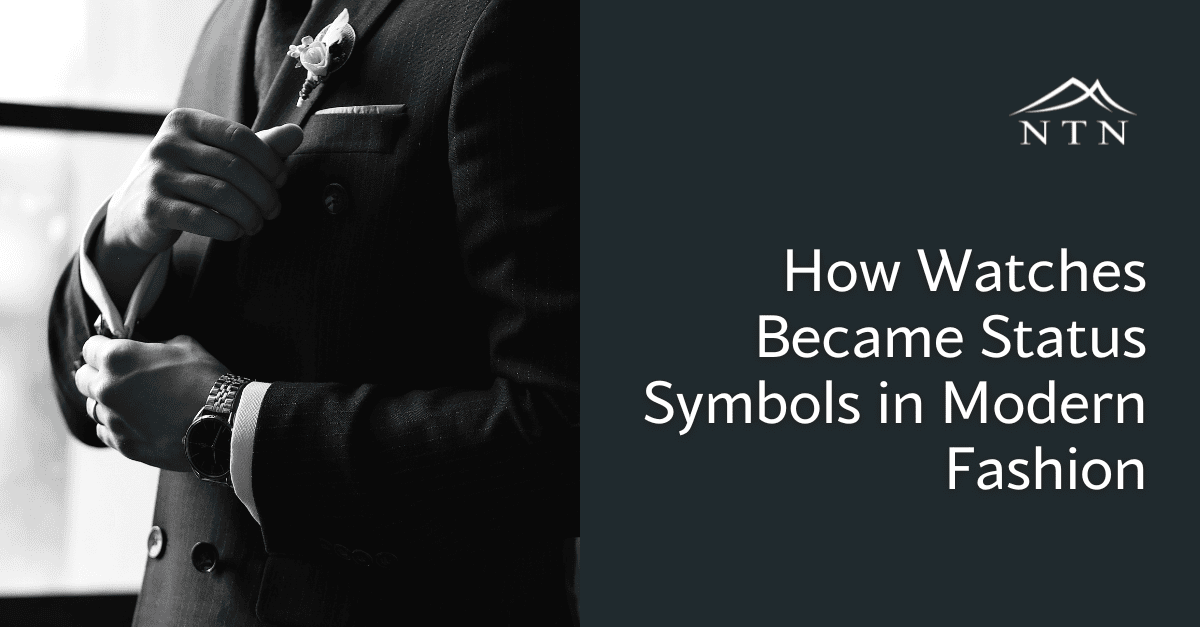
There was a time when watches existed for one simple reason—to tell time. But as the world evolved, watches transformed into far more than functional accessories. They became emblems of self-expression, craftsmanship, and identity. Today, a watch on the wrist tells a story not just of precision, but of prestige.
The evolution of watches from practical tools to status symbols in modern fashion is a fascinating journey that reflects shifting values, cultural trends, and the human connection to time itself.
The Origins: From Utility to Prestige
Before wristwatches became fashion icons, they were purely utilitarian. In the 16th century, early pocket watches were worn by aristocrats and inventors, often as rare mechanical marvels. They were symbols of intellect and innovation—expensive to make and owned by few.
By the 19th century, the watch had become a gentleman’s essential. Pocket watches were passed down through generations as heirlooms, representing time, legacy, and lineage. For the working class, owning a watch signaled discipline and reliability—traits that aligned with social advancement.
When wristwatches gained popularity in the early 1900s, especially after World War I, they became synonymous with progress and practicality. Soldiers wore them for precision, and when they returned home, the trend caught on. What began as a battlefield necessity slowly turned into a symbol of refinement and modernity.
The Post-War Shift: Watches as Luxury
The mid-20th century marked a turning point. Advancements in manufacturing allowed for greater consistency and style in watch design. At the same time, the concept of luxury began to influence consumer perception.
A watch was no longer just an everyday tool—it became a statement of success. People began associating certain designs and materials with achievement and taste. Wearing a watch became a quiet way of saying, “I’ve arrived.”
As global economies grew, watches turned into aspirational possessions. The idea of gifting or owning a fine watch became linked to milestones—graduations, promotions, marriages, or anniversaries—moments that marked personal growth and accomplishment.
The Role of Design and Craftsmanship
What truly cemented the watch’s place in modern fashion was its artistry. The best watches combined technical precision with design elegance. A watch wasn’t only about keeping time; it was about how it kept time.
Every detail—the case shape, the dial texture, the movement inside—became an expression of character. Watchmakers began crafting timepieces that balanced engineering mastery with aesthetic appeal. This dual nature turned watches into wearable art, admired as much for their beauty as their function.
Design also became a language of identity. A minimalist watch might reflect understated confidence. A bold chronograph could signal ambition. Even the choice between analog and digital spoke volumes about taste and personality.
The Cultural Meaning of a Watch
Culturally, watches have always carried messages about who we are and what we value. In some societies, they symbolize responsibility and maturity. In others, they represent success, punctuality, and respect for time.
To gift a watch is to acknowledge someone’s journey—to say, “May your time ahead be meaningful.” This symbolism transcends borders and generations, making watches one of the few fashion items that blend practicality with deep emotional resonance.
In modern fashion, that meaning has expanded. A watch can now reflect not just social standing, but also lifestyle choices—heritage, creativity, or sustainability. It’s no longer just about wealth; it’s about identity.
Watches and the Rise of Personal Branding
In the social media era, personal branding has become central to how people express themselves. Watches play a quiet but powerful role in that narrative.
Whether photographed on a wrist beside a coffee cup or paired with formalwear, a watch subtly communicates values: precision, taste, and individuality. It signals that the wearer cares about detail—that their time is valuable.
Unlike fast-changing trends in clothes or footwear, a well-chosen watch offers consistency. It becomes a signature piece, often worn daily, forming part of a person’s visual identity.
The Watch as a Power Statement
In professional environments, a watch can carry silent influence. It’s a piece that commands respect without words. A sleek watch under a cuff or a bold timepiece during a presentation can project confidence and composure.
Watches have long been associated with leadership and control over time—qualities admired in business, politics, and art alike. They embody discipline, reliability, and a sense of purpose.
Even today, despite smartphones making time readily available, people still wear watches because they represent intentionality. Checking the time on a watch feels deliberate, even dignified, compared to glancing at a phone screen.
The Influence of Pop Culture and Celebrities
Pop culture has played a major role in shaping how watches became status symbols. Actors, musicians, and athletes have long been photographed wearing distinctive timepieces, turning them into symbols of aspiration.
From film characters who wore specific models to musicians who made them part of their image, watches found their place in the visual language of fame and success. They became shorthand for elegance, resilience, or rebellion—depending on how they were worn.
This connection between watches and celebrity culture boosted their desirability. People didn’t just want a watch—they wanted the story that came with it.
The Modern Shift: Beyond Luxury
In recent years, the meaning of status has evolved. While luxury still plays a role, today’s consumers value authenticity, design, and personal connection more than sheer opulence.
Modern watch wearers often look for pieces that reflect craftsmanship and purpose rather than just price. The appreciation has shifted from what the watch costs to what it represents.
Watches now symbolize mindfulness, individuality, and respect for tradition in an increasingly digital world. Even minimalist or affordable watches carry the same sense of pride, as long as they align with the wearer’s values and taste.
This balance between heritage and modern living keeps watches relevant, even in an age defined by technology.
Watches in Fashion Today
In modern fashion, watches have transcended gender, age, and style boundaries. They complement both formal and casual looks, adapting effortlessly to diverse wardrobes.
For fashion designers and stylists, a watch often acts as the anchor piece—the detail that completes an outfit. It can elevate a simple look or tone down an extravagant one, depending on its design.
Fashion-conscious individuals use watches as tools of self-expression. A sleek dress watch can communicate elegance, while a rugged or vintage-inspired piece can express creativity or adventure. The key lies in how it resonates with the wearer’s story.
The Emotional Value of a Timepiece
Every watch holds emotional value beyond its mechanics. It can be a gift from a loved one, a reward for personal success, or a reminder of a meaningful moment.
Over time, a watch becomes part of one’s journey. The scratches, the wear on the strap, even the hum of the mechanism—all tell a story. That sentimental power is something other accessories rarely achieve.
It’s this blend of emotional connection and craftsmanship that makes watches timeless symbols of both fashion and meaning.
The Future of Watches as Status Symbols
As technology advances, smartwatches and digital wearables have entered the scene. Yet, traditional watches continue to hold their ground, precisely because they represent something deeper than utility.
In a world obsessed with speed, a mechanical or analog watch reminds us to slow down—to appreciate quality, patience, and artistry. The more digital our lives become, the more people crave tangible craftsmanship.
This paradox ensures that the watch will always remain relevant—not just as a tool, but as a statement.
Why Watches Still Matter
Ultimately, the enduring status of watches in modern fashion lies in their ability to blend function, emotion, and identity. They are simultaneously practical and poetic, personal and universal.
A watch tells more than time—it tells who you are. It’s a daily reminder of precision, purpose, and presence.
If you’re drawn to watches that balance timeless style with thoughtful craftsmanship, explore the curated designs at NTN’s official website.
Final Thoughts
The story of how watches became status symbols is ultimately a story about people—our desire to express individuality, honor time, and celebrate moments that matter.
From the battlefield to the boardroom, from pocket to wrist, watches have accompanied humanity through every era of change. They’ve evolved from instruments of necessity into icons of style, meaning, and pride.
Even in a world filled with screens and smart devices, the simple act of wearing a watch continues to carry weight. It’s a nod to tradition, a mark of character, and a reflection of one’s personal journey through time.


