


Blog
How to Match Your Watch to Your Outfit and Occasion

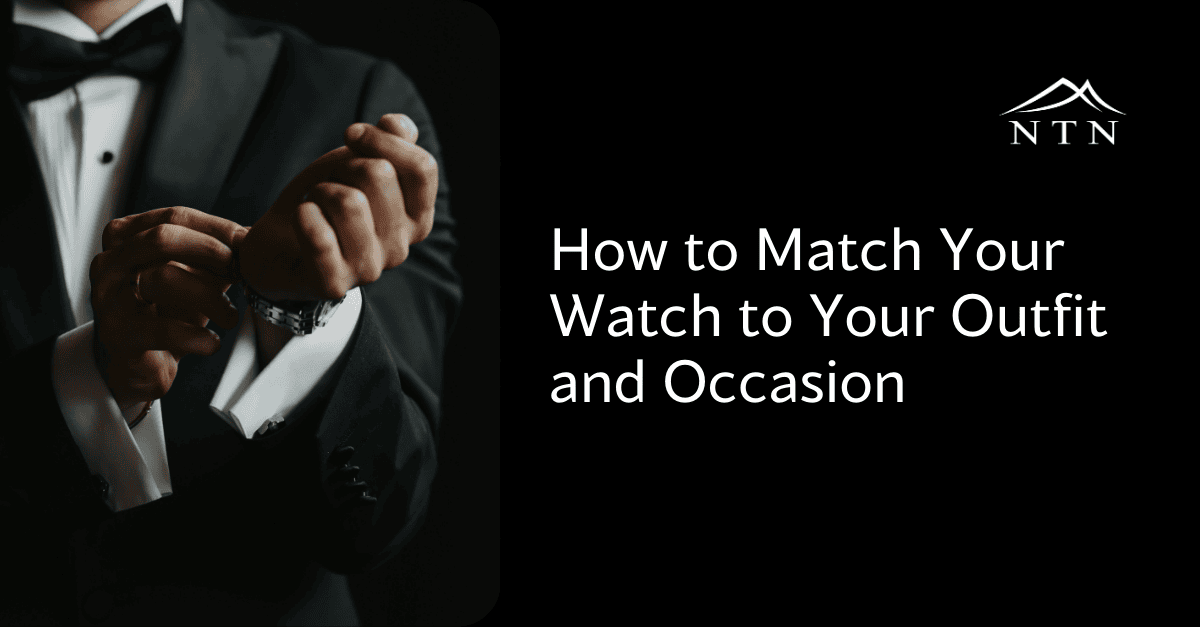
A watch is more than just a timepiece—it’s a reflection of your style and personality. The right watch can elevate your entire outfit, while the wrong one can feel out of place. Whether you’re dressing for a boardroom meeting, a black-tie event, or a weekend brunch, your watch should always complement your look.
Knowing how to match your watch to your outfit and occasion is a subtle but powerful skill. It shows attention to detail and a sense of confidence that never goes unnoticed.
Why Matching Your Watch Matters
Your watch is often the only piece of jewelry you wear every day. It’s visible, functional, and says a lot about your taste. Wearing the right watch for the right occasion ensures your look feels complete.
A sleek dress watch pairs perfectly with a suit, while a rugged sports watch suits casual attire. Good style is about balance—knowing when to keep things understated and when to add personality.
Understanding Watch Categories
Before pairing your watch with your outfit, it helps to understand the main types of watches and where they fit best.
1. Dress Watches: Simple, slim, and elegant—ideal for formal occasions.
2. Business Watches: Classic and refined, perfect for professional settings.
3. Sports Watches: Bold and functional, great for casual or active wear.
4. Casual Watches: Versatile and comfortable for everyday use.
Each type has its own design language, and knowing these basics will help you match them effortlessly.
Formal Events: Keep It Classic
For black-tie events, weddings, or galas, simplicity is key. A formal watch should complement your attire, not compete with it.
Opt for a minimalist dress watch with a clean dial, thin case, and leather strap. Black, brown, or dark blue straps pair well with suits and tuxedos. Metal bracelets can work too but should be subtle and polished.
Stick to neutral dial colors like white, black, or silver. Avoid oversized or sporty designs—they can overpower the refined nature of formal wear.
The goal is timeless sophistication. Your watch should look elegant and effortless, just like your outfit.
Business and Professional Settings
In professional environments, your watch should show confidence and reliability without drawing too much attention. It’s an extension of your persona at work—practical yet polished.
A stainless steel bracelet watch is a safe choice for business wear. It looks sharp with a suit or blazer and transitions easily to casual Fridays. A leather-strap watch also fits well, especially in conservative workplaces.
Chronographs or watches with date functions add subtle functionality. Choose sleek designs with dark or muted dial colors like navy, charcoal, or white.
For business meetings or presentations, avoid flashy or oversized watches. A well-balanced, medium-sized timepiece communicates focus and professionalism.
Smart Casual and Weekend Wear
Smart casual is where you can have fun experimenting. It’s less about strict rules and more about personal style.
Pairing your watch with semi-formal attire—like chinos, loafers, and button-down shirts—gives you room for creativity. A simple field watch or pilot-style watch works well here. They’re practical but stylish enough for everyday wear.
You can also mix textures and materials. A canvas or NATO strap adds character to casual outfits, while a stainless steel bracelet keeps things polished.
If you want to stand out, a colored dial—like green, blue, or bronze—adds personality without being too loud.
Casual and Outdoor Looks
When you’re off the clock and dressed down, comfort and function take priority. Sports and dive watches shine here.
Rubber and silicone straps are great for outdoor activities—they’re waterproof, durable, and easy to clean. If you’re wearing jeans and a t-shirt, a chunky chronograph or dive watch can add a rugged edge.
Casual watches are all about versatility. They should feel effortless, comfortable, and ready for anything—from a coffee run to a weekend trip.
Special Occasions
For special moments like anniversaries, parties, or celebrations, your watch can be a conversation starter.
Choose something unique but tasteful—perhaps a watch with a distinctive dial pattern, a moonphase feature, or a vintage-inspired design. It’s a chance to show personality without going overboard.
Gold-tone or rose-gold cases work beautifully for evening events, adding warmth and sophistication. Just remember to match your watch metal with your other accessories for a cohesive look.
Matching Materials and Colors
The materials and colors of your watch should align with your outfit and accessories. A few simple guidelines make this easy:
- Metal Match: Silver watches go well with cool tones like blue, gray, or black. Gold or rose-gold watches pair with warmer tones like brown, beige, or navy.
- Leather Match: Brown leather straps complement brown shoes and belts; black straps match black accessories.
- Dial and Outfit Coordination: White or silver dials give a crisp, formal feel. Dark dials (black or navy) are versatile for business or casual wear.
These small details bring harmony to your overall look.
Balancing Size and Fit
A well-fitting watch should feel comfortable and proportionate to your wrist. A large, bulky watch might look impressive but can overwhelm a formal outfit.
Slim watches fit neatly under shirt cuffs, making them ideal for suits. Larger sports watches suit short sleeves or casual clothing.
When in doubt, choose a medium-sized watch that balances presence with subtlety. Comfort and proportion always win over size alone.
How to Transition Between Occasions
If you move between formal, business, and casual settings throughout your day, consider owning one or two versatile watches instead of many specialized ones.
A stainless steel watch with a neutral dial color can shift easily from office wear to dinner attire. Swapping straps is another simple way to change the look—leather for business, rubber or fabric for weekends.
If you enjoy experimenting, brands like NTN offer designs that adapt effortlessly to different styles and occasions.
Common Style Mistakes to Avoid
Even the best watches can look out of place if paired poorly. Avoid these common mistakes:
- Wearing a bulky sports watch with formal wear.
- Mixing strap colors that clash with shoes or belts.
- Choosing flashy or oversized designs for professional settings.
- Ignoring comfort—your watch should feel as good as it looks.
Keeping these basics in mind ensures your watch always complements your outfit instead of distracting from it.
The Role of Personality in Watch Styling
While guidelines help, personal style is what truly makes a watch work for you. Your watch should reflect your lifestyle and individuality.
If you’re bold, go for statement designs or vibrant dials. If you prefer subtlety, minimalist watches with clean lines are perfect. The best watch is one that feels natural on your wrist—an extension of who you are.
A great watch doesn’t just match your outfit; it matches your character.
Final Thoughts
Matching your watch to your outfit and occasion isn’t about rules—it’s about balance, awareness, and confidence.
A formal watch adds elegance, a business watch shows professionalism, and a casual watch expresses personality. Together, they help you look sharp in every situation.
The right watch doesn’t just keep time—it completes your look. And when chosen thoughtfully, it becomes a timeless part of your style story.


