


Blog
How to Clean and Care for Your Watch at Home

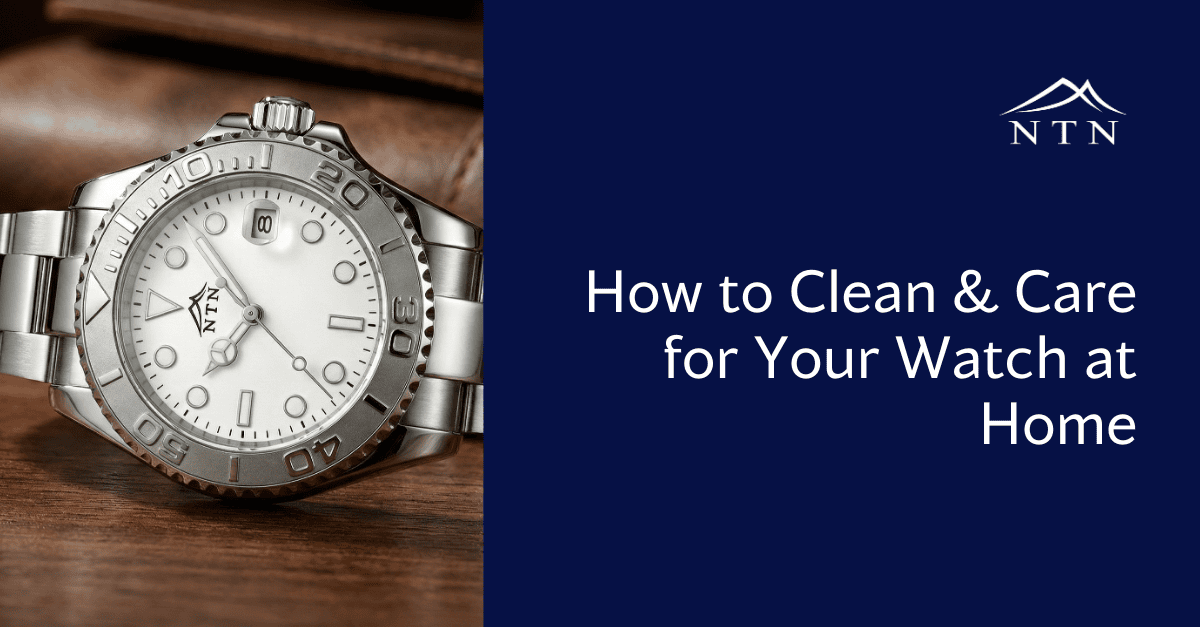
A watch is more than an accessory—it’s a piece of craftsmanship built to last. But even the finest timepiece needs care to stay in top condition. Dust, sweat, and everyday wear can take a toll, affecting both its look and performance.
Learning how to clean and care for your watch at home will keep it running smoothly and looking as good as the day you bought it. With a few simple habits and the right approach, you can preserve your watch for years to come.
Why Cleaning and Maintenance Matter
Everyday use exposes your watch to dirt, moisture, and skin oils. Over time, these can dull its shine, cause corrosion, or even affect accuracy. Cleaning your watch regularly helps prevent these issues.
Proper maintenance also protects the internal mechanism. A clean watch works better, lasts longer, and maintains its value. Regular care doesn’t just keep your watch beautiful—it ensures it continues to measure time precisely.
Know Your Watch Before Cleaning
Before you begin cleaning, it’s important to understand what kind of watch you have. Different materials and movements require different levels of care.
Check whether your watch is water-resistant and to what depth. Most modern watches can handle light moisture, but not all are made for full immersion. If your watch isn’t water-resistant, avoid getting it wet and use a dry cleaning method instead.
Mechanical watches, quartz watches, and smartwatches also have unique needs—so always follow the manufacturer’s recommendations.
Basic Tools You’ll Need
You don’t need expensive tools to clean your watch at home. A few simple items will do:
- A soft microfiber cloth for wiping the surface.
- A small bowl of lukewarm water and mild soap (for water-resistant watches).
- A soft toothbrush or jewelry brush for gentle scrubbing.
- A dry towel for drying.
- Toothpicks or cotton swabs for cleaning small crevices.
Avoid household cleaners, alcohol, or rough cloths—they can damage your watch’s materials or finish.
Step 1: Remove the Strap (If Possible)
If your watch allows it, remove the strap before cleaning. This makes it easier to access all areas and prevents water from damaging non-waterproof materials like leather.
For metal or rubber straps, a quick-release system or spring bar tool can make removal simple. If you’re unsure, check your watch manual or visit a professional to learn how to do it safely.
Step 2: Wipe Off Dust and Dirt
Start by gently wiping your watch with a soft, dry microfiber cloth. This removes surface dust and fingerprints. For stubborn spots, slightly dampen the cloth and wipe again.
Use a soft brush to reach around the lugs, crown, and caseback—these areas often collect grime. Move slowly and carefully to avoid scratching the surface.
Step 3: Clean the Case
If your watch is water-resistant, you can use mild soap and water to clean the case. Dip your brush in soapy water and gently scrub the case, avoiding the crown and pushers if you’re unsure about their sealing.
Rinse the watch under light running water or wipe it with a damp cloth to remove any soap residue. Dry it immediately with a clean towel.
For non-water-resistant watches, skip the water entirely. Instead, use a slightly damp microfiber cloth to clean the case, then dry it thoroughly.
Step 4: Cleaning the Strap
Different straps need different care routines:
Leather straps: Use a dry cloth to wipe off dirt and moisture. Apply a small amount of leather conditioner occasionally to keep it supple. Avoid water and direct sunlight—they can cause cracks and fading.
Metal straps: Soak the bracelet briefly in soapy water, then use a soft brush to clean between the links. Rinse and dry carefully to prevent water spots.
Rubber or silicone straps: These are easy to clean—just use mild soap and water. They’re durable and resistant to sweat and moisture but should be dried completely afterward.
Fabric or NATO straps: Wash them in lukewarm water with gentle soap, rinse thoroughly, and air dry. Avoid using a dryer or direct heat.
Once clean, reattach your strap securely before wearing the watch again.
Step 5: Check the Crown and Seals
The crown (the knob used to adjust the time) is one of the most delicate parts of a watch. Make sure it’s always pushed in or screwed down tightly to prevent moisture or dust from entering.
If your watch has water resistance, the rubber seals around the crown and caseback are crucial. Over time, these seals can wear out. Have them checked by a professional every couple of years to maintain proper protection.
Step 6: Polishing the Crystal and Case
If your watch has a sapphire or mineral crystal, it’s usually scratch-resistant, but smudges and fingerprints are common. Use a clean microfiber cloth to gently polish the glass in circular motions.
For the metal case, you can use a polishing cloth made for stainless steel or precious metals. Avoid using abrasive compounds unless you’re experienced, as they can dull the finish.
Remember, less is more—gentle cleaning is better than over-polishing.
Step 7: Caring for the Movement
While external cleaning can be done at home, the internal mechanism should only be handled by professionals.
Mechanical watches, in particular, need servicing every 3–5 years to keep the movement lubricated and accurate. Quartz watches are lower maintenance but still benefit from occasional checks, especially when changing batteries.
Avoid opening the case yourself. Dust or moisture can easily enter and cause damage. Instead, schedule routine maintenance with a trusted watch technician.
Step 8: Proper Storage at Home
How you store your watch matters as much as how you clean it. Keep your timepiece in a dry, cool place away from direct sunlight. A watch box or pouch helps protect it from dust and scratches.
If you own multiple watches, a soft-lined case or compartmented box prevents them from rubbing against each other.
For automatic watches, consider using a watch winder to keep them running smoothly when not in use. This prevents the oils inside the movement from settling and ensures the watch stays accurate.
Step 9: Handling Your Watch with Care
Watches are built to be durable, but they still need gentle handling. Avoid wearing your watch during heavy physical work or extreme sports unless it’s specifically designed for that purpose.
Keep your watch away from strong magnetic fields—such as phones, speakers, or laptops—as they can affect accuracy. Also, avoid sudden temperature changes, which can cause condensation inside the case.
If you wear your watch daily, give it a short rest occasionally. This helps preserve the strap and movement in the long run.
Extra Tips for Long-Term Care
- Wipe your watch after each wear, especially during hot or humid weather.
- Store leather straps separately from metal ones to avoid discoloration.
- Replace damaged straps immediately to prevent wear on the lugs.
- Have your water resistance checked annually if you wear your watch in water often.
These small habits go a long way in keeping your watch looking and performing like new.
Common Mistakes to Avoid
Many people unintentionally damage their watches through small mistakes. Avoid these common errors:
- Using household cleaners or alcohol-based products on your watch.
- Submerging a non-water-resistant watch in water.
- Wearing a leather strap in the shower or pool.
- Storing watches in humid or hot environments.
Simple awareness can prevent costly repairs down the line.
Why Regular Care Extends a Watch’s Life
A well-maintained watch isn’t just about appearance—it’s about performance and longevity. Regular cleaning prevents dirt buildup that can damage seals, while proper servicing keeps the internal parts running efficiently.
Caring for your watch also preserves its value, especially if it’s a collectible or heirloom. More importantly, it ensures your timepiece remains a reliable companion, ready for every occasion.
Brands like NTN believe that a well-cared-for watch reflects both craftsmanship and respect for time. A few minutes of care at home can keep your watch ticking beautifully for decades.
Final Thoughts
Cleaning and caring for your watch at home is simple but meaningful. It’s not just maintenance—it’s appreciation for a piece of art that measures life’s moments.
By following these easy steps and handling your watch with care, you’ll keep it looking sharp, running precisely, and lasting for generations.
A well-loved watch doesn’t just tell time—it tells your story, one second at a time.


