


Blog
The Hidden Meaning Behind Watch Dials, Colors, and Materials

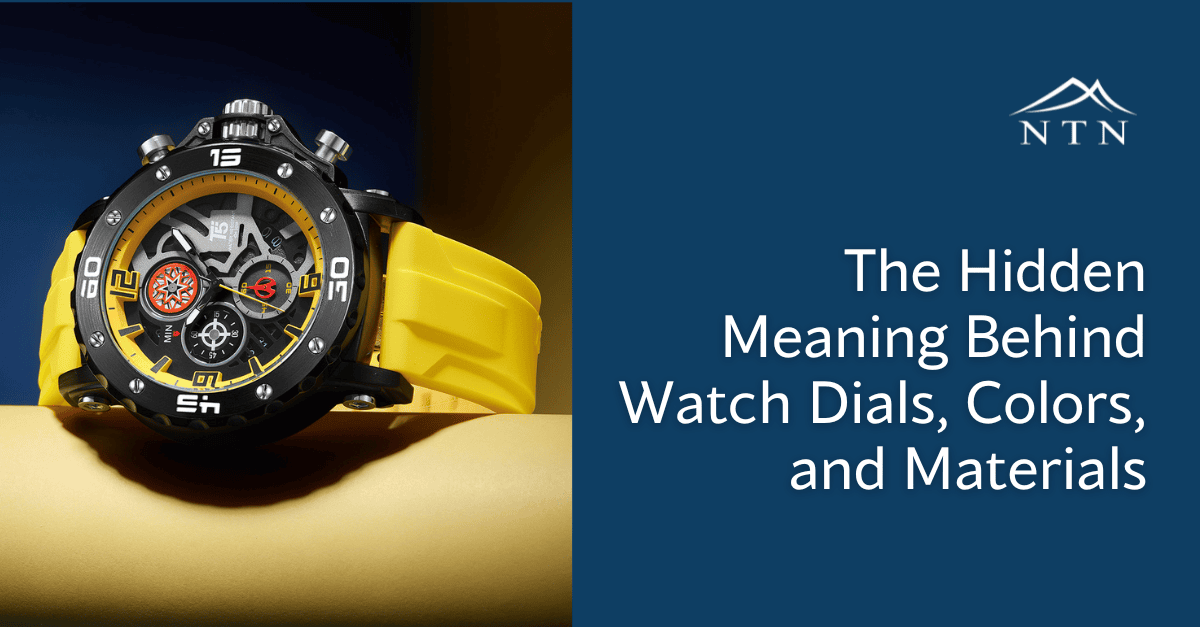
Every watch tells time, but it also tells a story. Beyond the movement and mechanics, the design of a watch—its dial, color, and materials—reveals much about the wearer’s personality, lifestyle, and taste.
From the shape of the dial to the tone of the metal, every detail is intentional. Watchmakers don’t just design for function; they design for emotion and meaning. Understanding these hidden details can help you choose a timepiece that truly reflects who you are.
The Dial: The Face of Expression
The watch dial is often called the “face” of a timepiece for a reason. It’s the first thing people notice and the part that holds the most character. The layout, texture, and markers all influence how the watch feels—classic, sporty, modern, or elegant.
A clean, minimal dial suggests simplicity and focus. It often appeals to those who value precision and balance. On the other hand, detailed dials with subdials or complications communicate confidence, curiosity, and a love of complexity.
Circular dials remain timeless, symbolizing unity and harmony. Square or rectangular dials, though less common, represent boldness and individuality. Skeleton dials, which reveal the internal mechanics, reflect transparency and appreciation for craftsmanship.
The dial isn’t just a design choice—it’s a reflection of mindset and personality.
Dial Textures and Finishes
The surface of a dial can change the entire mood of a watch. Matte finishes feel contemporary and understated, while glossy or sunburst textures add depth and energy.
Brushed metal dials project strength and modernity, while enamel or lacquered finishes convey refinement and elegance. Some dials feature patterns or guilloché engravings, which show careful craftsmanship and attention to detail.
Each texture tells a subtle story of design philosophy and purpose.
The Psychology of Watch Colors
Color plays a powerful role in how we perceive watches—and how others perceive us. Choosing a watch color isn’t just about matching an outfit. It’s about expressing emotion, confidence, and identity.
Black: The Color of Power and Sophistication
Black dials and straps exude strength, authority, and timeless style. They’re often chosen by people who appreciate formality and professionalism. A black dial is versatile—it looks sharp with both business suits and casual attire.
White or Silver: Simplicity and Purity
White and silver dials symbolize clarity, balance, and calm. They’re ideal for those who value order and precision. These colors also enhance readability and create a clean, classic appearance that never goes out of fashion.
Blue: Confidence and Modernity
Blue is one of the most popular watch colors today. It represents intelligence, reliability, and calmness. A blue dial adds personality without being flashy—perfect for both business and leisure settings.
Green: Nature and Growth
Once rare in watch design, green has become a modern favorite. It represents renewal, balance, and quiet confidence. Green watches often appeal to people who appreciate nature and individuality.
Gold: Warmth and Success
Gold watches, whether in tone or accent, symbolize achievement and luxury. They’re often chosen for special occasions or to mark milestones. Gold conveys warmth and sophistication but should be worn with subtlety.
Other Colors: Personality and Playfulness
Bolder colors like red, orange, or bronze express creativity and energy. They’re perfect for those who see their watches as an extension of personal style rather than just a tool.
Material Matters: What Your Watch Is Made Of
The materials used in a watch don’t just affect its durability—they also influence its message. From metals to ceramics, each one tells a different story.
Stainless Steel: Strength and Versatility
Stainless steel remains the most popular material in watchmaking. It combines durability with elegance and works for both formal and casual settings. It represents practicality and reliability—ideal for someone who values balance.
Titanium: Modern and Lightweight
Titanium watches are strong but surprisingly light, often chosen by those who appreciate innovation and comfort. The matte grey tone gives off a modern, understated feel. It’s the choice of people who like subtle strength and performance.
Gold and Rose Gold: Luxury and Warmth
Gold and rose gold watches are timeless symbols of prestige. They add warmth and richness to any outfit. Rose gold, in particular, conveys a softer, more modern version of luxury—perfect for those who want elegance with a contemporary twist.
Ceramic: Style with Substance
Ceramic watches are sleek, scratch-resistant, and modern. They appeal to people who appreciate minimalism and durability. The smooth finish gives an ultra-polished, futuristic vibe that feels unique yet refined.
Leather: Comfort and Tradition
Leather straps are classic and versatile. They soften over time, becoming personal to the wearer. Brown leather feels vintage and grounded, while black leather feels refined and formal. Leather represents warmth, comfort, and timeless tradition.
Fabric and Rubber: Utility and Adventure
Fabric, nylon, and rubber straps bring practicality and flexibility. They’re made for travel, sports, and active lifestyles. These materials show a relaxed, adventurous spirit.
Each material carries its own character. When you choose a watch, you’re also choosing the story you want to wear.
How Dial, Color, and Material Work Together
The most memorable watches achieve harmony between their dial, color, and material. These elements work together to express a unified style and emotion.
For example, a white dial on a silver case creates a clean, professional look, while a green dial with a leather strap feels modern and grounded. A black ceramic case with a dark dial feels bold and futuristic.
When combined thoughtfully, these details create a watch that feels personal—a reflection of your taste and identity rather than just a fashion choice.
Cultural and Emotional Symbolism
Watches also carry deeper cultural meanings. In some traditions, gold watches symbolize success and celebration, while blue or silver watches represent peace and clarity. The gift of a watch often marks a milestone—a birthday, graduation, or anniversary—symbolizing time shared and memories made.
Emotionally, a watch can serve as a reminder of patience and progress. Every tick marks a moment, every glance reminds you of time’s steady rhythm. The materials and colors you choose shape how that reminder feels—calm, confident, or inspired.
Modern Trends and Personalization
Modern watchmaking has embraced individuality. More people now choose watches that reflect their values—sustainability, heritage, or modern design. Customization has also grown popular, allowing wearers to select colors, straps, and materials that suit their lifestyle.
Some prefer minimalist designs that focus on simplicity. Others go for bold combinations that stand out. There’s no single “right” choice—just the one that feels most authentic to you.
Brands like NTN encourage this personal connection, offering designs that combine craftsmanship, creativity, and individuality. A well-chosen watch doesn’t just tell time—it tells your story.
Choosing a Watch That Reflects You
When selecting a watch, think about what you want it to say about you. Are you drawn to timeless elegance or modern simplicity? Do you value tradition, innovation, or self-expression?
The dial, color, and material all work together to create that impression. A watch should feel natural—like an extension of who you are.
Whether you prefer a sleek metal case, a warm leather strap, or a bold colored dial, the best watch is the one that feels most personal.
Final Thoughts
A watch is more than a timekeeping tool—it’s a reflection of design, meaning, and identity. The dial expresses clarity and character, the color conveys emotion, and the material adds texture and depth.
Together, they create something lasting: a piece of art that connects craftsmanship with personality.
When you choose a watch that resonates with you, you’re not just choosing how you tell time—you’re choosing how you tell your story.


