


Blog
The Future of Watch Design: How Innovation and Tradition Work Together

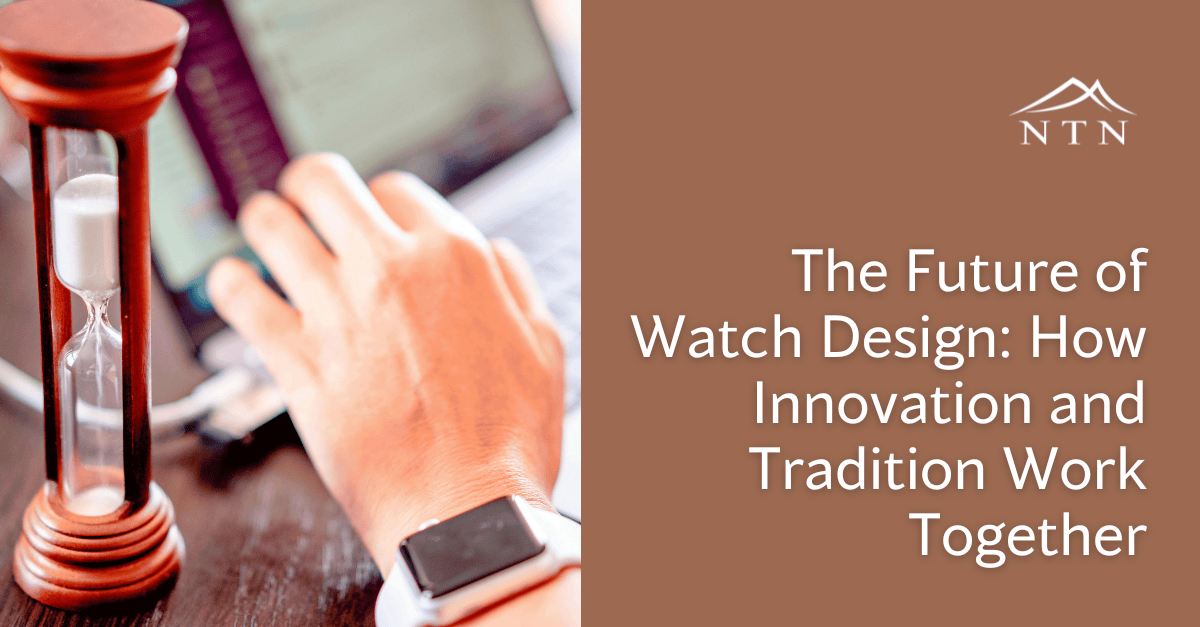
Watches have always been more than tools for telling time—they are symbols of human creativity and craftsmanship. From early pocket watches to modern smart timepieces, the world of watch design continues to evolve. Yet, even as technology advances, the heart of watchmaking remains rooted in tradition.
The future of watch design lies in this balance—where innovation meets heritage, and modern ideas blend seamlessly with centuries-old craftsmanship. Watchmakers are embracing new technologies without losing the artistry that makes watches timeless.
Innovation Driving the Future of Watchmaking
The modern watch industry is at an exciting crossroads. Innovation is reshaping how watches are designed, powered, and experienced. New materials, digital tools, and design philosophies are expanding what a watch can be, while still honoring the traditions that define the craft.
Today’s watchmakers use advanced techniques like 3D printing and computer-aided design (CAD) to perfect every detail before a single part is made. These tools allow for precision that was once impossible by hand—ensuring every dial, crown, and case is flawlessly built.
At the same time, innovation in materials has opened new possibilities. Lightweight titanium, durable ceramics, and scratch-resistant sapphire glass are now standard in modern designs. These materials make watches stronger, more comfortable, and longer-lasting while still maintaining elegance.
Even movements are evolving. Hybrid calibers combine mechanical craftsmanship with smart technology, offering the feel of a traditional watch and the functionality of a modern device. This fusion reflects the direction of the future—one where technology enhances tradition rather than replaces it.
Tradition as the Soul of Watchmaking
Despite all the innovation, watchmaking remains deeply connected to its roots. The beauty of a mechanical movement, the rhythm of ticking gears, and the artistry of hand-assembled components continue to define the essence of horology.
Traditional watchmaking values precision, patience, and storytelling. Every watch is the result of hundreds of small, deliberate actions—each one reflecting the maker’s dedication. This emphasis on craftsmanship gives watches a soul that technology alone cannot replicate.
Collectors and enthusiasts still seek out pieces that embody this spirit. They appreciate the imperfections that make each handmade watch unique. In an age of mass production and automation, this human touch is what keeps traditional watchmaking alive.
Modern watch brands now strive to preserve this heritage while embracing progress. It’s no longer a battle between old and new—it’s a harmony of both.
Design Trends Defining the Modern Era
Contemporary watch design has entered a new phase—one that blends elegance with practicality. The trend is shifting toward minimalism, durability, and personalization.
Slimmer cases and clean dials are gaining popularity, reflecting a modern preference for simplicity over excess. Functionality is key, with features like water resistance, interchangeable straps, and longer power reserves becoming standard.
Color trends are also evolving. While black and silver remain timeless, blues, greens, and bronze tones are becoming favorites among younger wearers. These subtle shifts in design show how the watch industry is adapting to changing tastes while keeping its classic appeal.
Sustainability is another growing influence. Eco-friendly materials and ethical production processes are now integral to modern watchmaking. Brands are exploring recycled metals, vegan leather straps, and solar-powered movements as part of their drive toward responsible craftsmanship.
Technology and Craftsmanship: A Balanced Partnership
The best modern watches are those that use technology to enhance, not replace, craftsmanship. Computer modeling helps perfect designs, but the final assembly still requires human skill. Machines may cut components with precision, but artisans finish them by hand, ensuring each watch feels personal.
Smart features have also found their place in traditional designs. Some mechanical watches now include Bluetooth connectivity or sensors that track motion, bridging the gap between analog beauty and digital convenience.
This partnership between innovation and tradition ensures that watches remain relevant in a fast-changing world. They offer something that smartphones and digital gadgets never can—a connection to time that feels physical, emotional, and enduring.
The Role of Sustainability in Future Watch Design
Sustainability is becoming one of the strongest forces shaping the future of watchmaking. Consumers today value transparency and responsibility. They want to know how materials are sourced and how products are made.
Watchmakers are responding by adopting eco-conscious practices. Recycled metals, low-impact manufacturing, and solar-powered movements are becoming hallmarks of forward-thinking brands.
Even packaging is evolving—moving away from plastic and toward recyclable materials. Sustainability isn’t just a design feature anymore; it’s a philosophy that defines the future of luxury and craftsmanship.
This shift aligns with the growing belief that true luxury should last. A sustainable watch is not disposable—it’s built to endure, to be repaired, and to be passed down through generations.
Personalization and Human Connection
Another defining trend in modern watchmaking is personalization. In a world of mass production, people crave individuality. Watches are becoming more customizable, allowing wearers to select colors, straps, engravings, and materials that reflect their personal style.
This personalization strengthens the bond between a person and their watch. It turns an accessory into something meaningful—an everyday object that feels uniquely theirs.
It’s also a reflection of the deeper human connection to time. A personalized watch isn’t just about fashion—it’s a reminder of one’s story, achievements, and memories.
Artistry in Modern Watchmaking
The artistry of watch design continues to evolve alongside technology. While machines handle precision tasks, human creativity remains irreplaceable. Designers and artisans bring emotion and imagination to every model, ensuring each piece feels like a work of art.
Watch dials, for example, have become canvases for creativity. Textured finishes, layered patterns, and hand-painted details give each watch a distinctive personality. Some designs even draw inspiration from architecture, nature, or astronomy, reflecting the timeless relationship between design and imagination.
This artistic evolution shows that watchmaking is not just a technical discipline—it’s an art form that celebrates craftsmanship and creativity.
The Influence of Heritage on Modern Innovation
Heritage remains one of the most powerful inspirations in modern watch design. Many contemporary timepieces draw on classic models from decades past, reinterpreting them with modern materials and updated mechanics.
This blending of old and new ensures that tradition remains visible in every innovation. A watch might feature a vintage-inspired dial or retro numerals but use a lightweight titanium case or sapphire crystal for durability.
By revisiting their past, watchmakers create designs that feel both familiar and forward-thinking. It’s a reminder that progress doesn’t erase history—it preserves and evolves it.
The Future of Watchmaking Technology
As technology advances, the boundaries of watch design continue to expand. Artificial intelligence, smart materials, and energy-efficient movements are becoming part of the conversation.
AI-assisted design tools help create more precise components and predict performance under various conditions. Smart materials, like self-healing composites or graphene, could redefine durability and weight.
Meanwhile, energy efficiency is improving. Kinetic and solar-powered watches are reducing reliance on traditional batteries, offering longevity and sustainability. Future watches may even integrate biometric functions or advanced sensors while maintaining traditional aesthetics.
The future of watch technology lies not in replacing tradition but in enhancing it—creating timepieces that are smarter, stronger, and more sustainable without losing their soul.
Why Tradition Still Matters in a Digital World
In an age dominated by screens and instant technology, the mechanical watch offers something rare—a sense of permanence. The steady ticking of a movement connects us to time in a way no digital display can.
Mechanical watches remind us that precision can coexist with imperfection, and progress can coexist with patience. They represent craftsmanship in a world of shortcuts, artistry in a world of automation.
That’s why the future of watchmaking depends on preserving these values. Innovation gives watches relevance, but tradition gives them meaning. Together, they create something truly timeless.
A Vision for the Next Generation of Watch Design
The next generation of watches will be defined by versatility, longevity, and authenticity. They will adapt to modern lifestyles while maintaining the emotional and artistic depth that has always defined the craft.
Future watches will likely combine digital intelligence with mechanical grace—a hybrid of precision and poetry. They will be lighter, smarter, and more sustainable, yet still rooted in the traditions that make watchmaking an art.
Brands like NTN embody this vision by creating watches that connect craftsmanship with modern sensibilities. Their designs remind us that innovation and tradition are not opposites—they are partners in progress.
Final Thoughts
The future of watch design is not about replacing the old with the new—it’s about blending them. Tradition ensures emotional value, while innovation ensures relevance. Together, they keep watchmaking alive in an ever-changing world.
As materials, technology, and design continue to evolve, the watch remains a symbol of human creativity and care. It stands at the intersection of art and engineering—where every tick reminds us that time is both mechanical and meaningful.
The watches of tomorrow will not just measure time—they will honor it.


