


Blog
The Do’s and Don’ts of Wearing a Watch with Formalwear

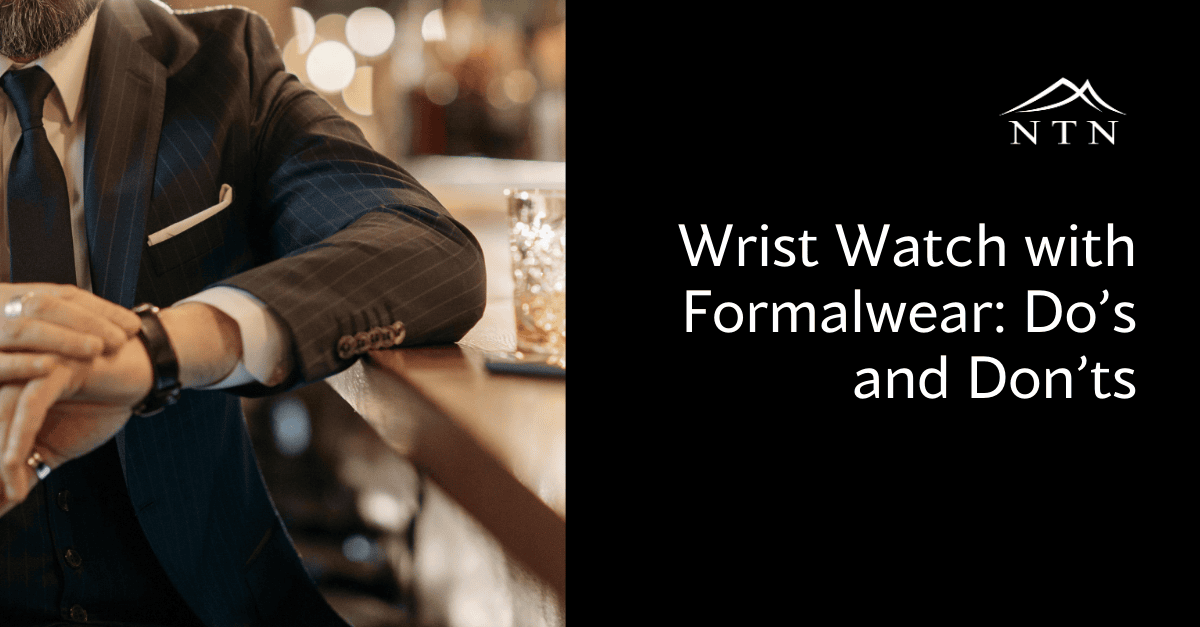
A well-chosen watch can elevate a suit more than any other accessory. It’s subtle, refined, and deeply personal. But when worn incorrectly, even the finest timepiece can look out of place.
Wearing a watch with formalwear is about understanding balance—how your timepiece complements your outfit without drawing unnecessary attention. It’s not just about matching colors or materials; it’s about knowing the etiquette that defines polished style.
Here’s a complete guide to wearing a watch with a suit correctly, including the essential do’s and don’ts for formal occasions.
Why Watches Matter in Formal Settings
A watch is more than a time-telling tool; it’s a symbol of taste and awareness. At formal events, where details define impressions, your watch can speak volumes about your sense of refinement.
In these settings, less is often more. A refined watch shows respect for the occasion—discreet, elegant, and harmonious with your attire. The wrong choice, however, can stand out for all the wrong reasons.
Understanding formal watch etiquette ensures your timepiece enhances, not distracts from, your overall presentation.
The Do’s of Wearing a Watch with a Suit
Choose Simplicity Over Complexity
Formal watches are defined by restraint. Opt for slim, clean designs with minimal complications. A simple three-hand watch or one with a discreet date window fits beautifully under a shirt cuff and aligns with the understated tone of formalwear.
Busy chronographs, oversized bezels, or sporty divers tend to clash with the refined silhouette of a suit. A dress watch with a thin case and classic proportions is always the safest choice.
Match Metals and Tones Thoughtfully
Harmony is key. The metal of your watch case should complement your accessories—belt buckle, cufflinks, or rings. Silver-tone watches pair well with cooler shades like navy or grey, while gold or rose gold works beautifully with warmer tones like brown or beige.
If your suit includes black shoes and a black belt, a watch with a black leather strap completes the ensemble seamlessly.
Keep the Size Proportionate
A watch should never overpower your wrist—or your outfit. In formal contexts, subtlety is elegance.
Most dress watches measure between 36mm and 40mm in diameter. Anything larger can appear too sporty or casual. Flat or curved cases that slide easily under your cuff maintain the sleek profile formal occasions demand.
Coordinate the Strap with the Occasion
Leather straps are the gold standard for formalwear. They exude sophistication and pair naturally with tailored clothing. Black leather works best for black-tie or evening events, while brown leather adds warmth to daytime or semi-formal occasions.
Metal bracelets, while elegant, are better suited for business formal or cocktail settings. For black-tie events, always favor leather or understated materials.
Ensure Proper Fit
A well-fitted watch completes the look. It should sit snugly on your wrist without sliding around or leaving marks. The strap or bracelet should secure the watch just above the wrist bone.
A loose watch looks careless, while one that’s too tight appears uncomfortable. Adjust it to feel natural and effortless—like it belongs there.
Consider the Watch Face
For formal events, choose a simple dial with minimal embellishment. White, silver, or black dials are timeless and versatile. Avoid bright colors, excessive lume, or bold textures that compete for attention.
Roman numerals, slim indices, and polished hands bring refinement without unnecessary flair.
The Don’ts of Wearing a Watch with a Suit
Don’t Wear Sport Watches
While a dive or pilot’s watch may be impressive, they’re rarely appropriate for formalwear. Their bulky cases, rotating bezels, and rugged designs clash with the elegance of a suit.
These watches are built for performance, not presentation. Save them for casual or business-casual occasions.
Avoid Smartwatches at Formal Events
Smartwatches, although practical, lack the timeless charm of traditional watches. Their digital displays and notifications can feel distracting in refined settings.
If the event demands true sophistication, leave the smartwatch behind. A classic analog timepiece conveys attention to detail and respect for tradition.
Don’t Overmatch or Overcompensate
Your watch should complement your outfit—not compete with it. Overly shiny metals, diamond accents, or bold straps can appear flashy and out of place.
Similarly, forcing perfect color coordination between every accessory often looks contrived. Aim for balance, not exact matches.
Don’t Check the Time Too Often
In formal or social settings, checking your watch repeatedly can be seen as impolite. It suggests impatience or disinterest.
If you must check the time, do so discreetly. A quick glance is enough—your watch is an extension of your style, not a distraction from the moment.
Avoid Worn or Dirty Straps
Even the most elegant watch loses its charm if the strap shows wear or discoloration. Cracked leather or scratched metal immediately undermines polish.
Before a formal event, inspect your strap and case. A quick clean or strap replacement keeps your watch—and your image—sharp.
Choosing the Right Watch for the Right Occasion
Different formal events call for different levels of refinement. Not every suit setting is black-tie, and understanding the distinction helps you choose wisely.
For black-tie events, simplicity reigns. A slim dress watch with a white dial, black leather strap, and minimal decoration is ideal. It complements tuxedos and evening wear without drawing attention.
At business formal events, such as corporate dinners or conferences, a classic watch with a metal bracelet or brown strap works perfectly. It conveys authority while maintaining sophistication.
For semi-formal or cocktail settings, you can experiment slightly—perhaps a watch with subtle complications or a textured dial. Just ensure it remains elegant and balanced.
The key is context. The more formal the occasion, the simpler and more refined your watch should be.
How to Pair a Watch with Different Suit Colors
Pairing your watch with your suit color subtly enhances your overall look.
A black suit pairs best with a silver or black watch featuring a black leather strap. For a navy suit, brown leather straps and gold accents add warmth. A grey suit works with almost anything—silver, black, or even blue dials add sophistication.
For lighter suits like beige or cream, opt for warmer tones such as gold or tan leather straps. These create a balanced, elegant contrast.
Consistency between your strap, shoes, and belt ties the entire outfit together effortlessly.
Timeless Etiquette: Wearing Confidence
Etiquette isn’t just about rules—it’s about confidence. When your watch complements your outfit, you feel composed and self-assured.
A well-chosen timepiece doesn’t shout for attention. It quietly enhances your presence, signaling taste and composure.
Remember, watches are personal. They represent your relationship with time and style. Choose what feels authentic while respecting the occasion.
Caring for Your Formal Watch
Formal watches, often featuring delicate materials, deserve careful handling.
Store them in a watch box or soft pouch when not in use. Avoid contact with moisture, perfumes, or lotions that can damage leather straps or dull metal cases.
Wipe your watch lightly after each wear with a microfiber cloth to keep it clean and polished. Regular maintenance keeps it ready for every occasion.
For collectors seeking elegant timepieces that pair seamlessly with formalwear, explore NTN’s exclusive collection of watches.
Final Thoughts
Wearing a watch with a suit is an art of subtlety and understanding. It’s about complementing your outfit, not overpowering it.
Choose simplicity, ensure proportion, and match materials thoughtfully. Avoid overly casual or flashy designs, and always keep your watch clean and well-fitted.
When done right, a watch becomes more than an accessory—it becomes part of your identity, a quiet reflection of your style and respect for the occasion.
Because true elegance isn’t loud. It’s measured in details, and the right watch is one of them.


