


Blog
The Best Watch Tools Every Collector Should Own

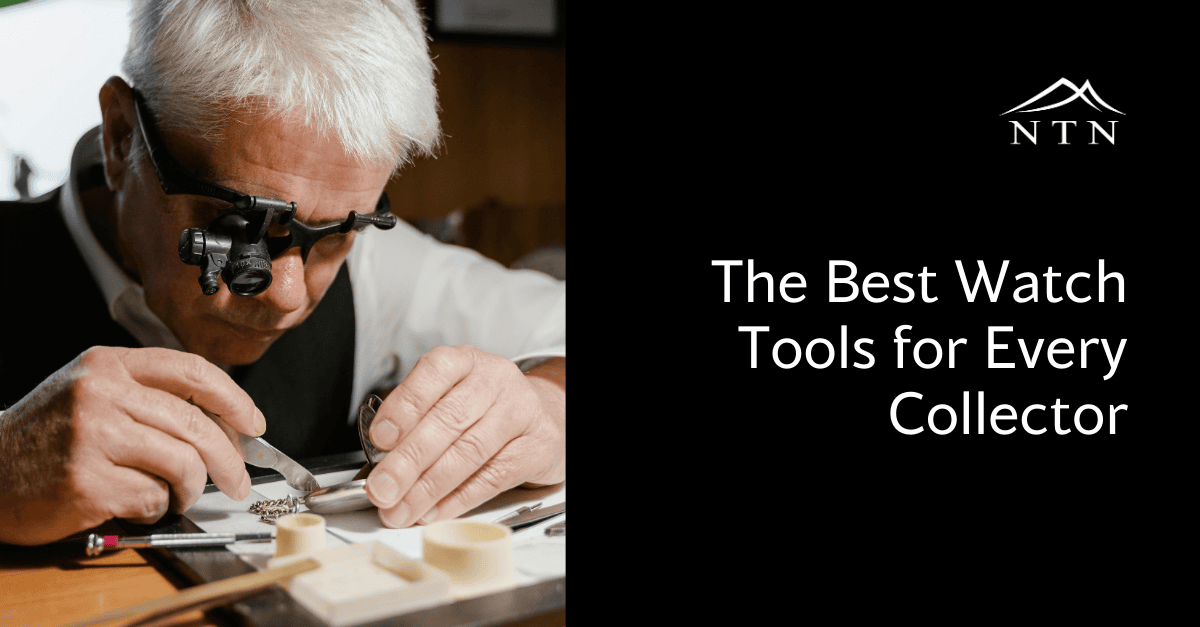
Every watch enthusiast reaches a point where admiration turns into curiosity. You start wondering what goes on inside the case, how straps are changed, or how to keep your collection in perfect condition. That’s where the right watch tools come in.
Whether you’re a casual collector or serious hobbyist, having your own watch toolkit gives you control over maintenance and an appreciation for the craftsmanship behind each piece. It’s not about replacing professional servicing—it’s about small, thoughtful care that keeps your watches running and looking their best.
This guide explains the essential watch repair tools every collector should own, how to use them safely, and what to consider when assembling your own toolkit for DIY watch care.
Why You Need a Watch Toolkit
A watch toolkit isn’t about taking apart complex movements—it’s about performing simple but important tasks confidently. Things like adjusting bracelets, changing straps, replacing batteries, or cleaning the case can all be done at home with the right tools.
Having your own set saves time, prevents unnecessary wear, and helps you understand your watches better. It also reduces the risk of accidental scratches or damage that often happen with makeshift tools.
For anyone who owns multiple watches, investing in a toolkit is as essential as owning a proper storage box.
The Foundation: Basic Watch Repair Tools
Every collector’s toolkit starts with a few essentials. These are the tools you’ll use most often for cleaning, adjustments, and small repairs.
Spring Bar Tool
The spring bar tool is one of the most used and versatile instruments in any watch kit. It helps you remove or replace straps and bracelets safely.
Each end serves a purpose: one side has a forked tip for pushing spring bars in, while the other has a pointed end for releasing tight spaces.
When used correctly, it prevents scratches around the lugs—a common mistake when people use improvised objects like pins or knives.
Screwdrivers
Precision screwdrivers are indispensable, especially for watches with metal bracelets or casebacks fastened by screws.
A good set includes various sizes, typically ranging from 0.6 mm to 2.0 mm. Choose screwdrivers with hardened steel tips and comfortable grips for better control.
Keep them clean and magnet-free, as magnetized tools can affect mechanical movements.
Case Back Opener
A case back opener lets you access the inside of your watch for battery replacement or inspection.
There are two common types: a wrench-style opener for screw-down backs and a knife-style tool for snap-on cases.
Always use the right one for your watch type—forcing it can damage the gasket or scratch the case.
Tweezers
Fine-tipped, anti-magnetic tweezers are essential for handling tiny parts like screws or pins. They give you precision without transferring oils from your hands that can corrode metal.
Use them gently and store them in a protective sleeve when not in use to avoid bending the tips.
Watch Holder
A watch holder stabilizes the case while you work, keeping it from slipping or scratching the surface. It’s especially useful when opening casebacks or adjusting bracelets.
Choose one with adjustable clamps and soft padding to fit different case sizes securely.
Advanced Tools for Enthusiasts
Once you’re comfortable with basic maintenance, a few advanced tools can expand your capabilities. These aren’t for disassembling entire movements but for more refined adjustments and care.
Loupe or Magnifier
A loupe helps you inspect details up close—everything from dial imperfections to screw alignment.
A 3x to 5x magnification is ideal for casual use, while professionals may use higher magnifications. Choose one with a comfortable viewing angle and good lighting conditions.
Bracelet Pin Remover
This tool simplifies resizing metal bracelets. It pushes out the small pins connecting bracelet links without bending or scratching them.
Some collectors prefer manual pushers, while others use screw-action devices for better control. Either works well for careful, occasional adjustments.
Case Press
A case press helps you reseal snap-back cases evenly after replacing a battery or cleaning the inside.
It applies even pressure on the case without damaging the crystal. Use nylon dies that match the size of your watch to prevent marks or stress on the glass.
Dust Blower
A dust blower removes tiny particles from the dial, movement, or crystal. It’s safer than compressed air cans, which can introduce moisture or too much force.
A soft rubber blower lets you keep your watches spotless without touching sensitive surfaces directly.
Movement Holder
If you ever remove the movement from the case, a movement holder is a must. It supports the mechanism securely, keeping it level and stable during inspection or cleaning.
Even if you never dismantle a movement, this tool helps you understand how delicate watch internals truly are.
Cleaning and Maintenance Tools
Beyond repairs and adjustments, proper cleaning is a cornerstone of watch care. Dust, oils, and sweat can accelerate wear if ignored.
Use a soft microfiber cloth daily to wipe away fingerprints and residue. For deeper cleaning, a soft brush and mild soap solution are ideal—especially for metal bracelets. Avoid harsh chemicals or ultrasonic cleaners unless you’re trained or have professional-grade equipment.
A soft polishing cloth can restore shine to stainless steel surfaces, but use it sparingly. Over-polishing removes fine layers of metal and dulls edges over time.
For leather straps, natural conditioners like beeswax or plant-based balms keep them supple and crack-free.
How to Assemble Your Watch Toolkit
You don’t need to buy a full set all at once. Start with the essentials—spring bar tool, screwdrivers, tweezers, and a case opener.
As your confidence grows, add specialized items like a loupe, dust blower, or bracelet remover. Choose quality tools made of stainless steel or hardened materials—they last longer and work more precisely than budget alternatives.
Organize everything in a dedicated case or box to keep tools clean and easy to access. Many collectors label compartments for quick reference.
Building your toolkit gradually allows you to learn how each tool works and develop skill through practice.
Safety and Best Practices
Working on watches requires patience and care. Rushing through a repair often causes more harm than good.
Always work on a soft, clean surface with good lighting. A lint-free mat or microfiber pad prevents scratches and keeps small parts from rolling away.
Avoid touching the dial or movement directly with your fingers. Natural oils can discolor or damage surfaces.
When using screwdrivers or openers, apply steady, even pressure—never force a tool. If something resists, stop and reassess. Sometimes, it’s better to seek professional help than risk permanent damage.
And most importantly, stay organized. Every screw, pin, and gasket has its place. Losing even one can compromise your watch’s performance or water resistance.
The Value of DIY Watch Care
Owning watch repair tools isn’t about replacing expert service; it’s about complementing it. Professionals handle complex repairs, but everyday care is in your hands.
Being able to change a strap, clean a bracelet, or adjust a clasp gives you confidence and control. It also deepens your appreciation for the precision behind each timepiece.
Learning these basics teaches you patience, precision, and respect for detail—the same values that define great watchmaking.
When to Leave It to the Experts
Even with the best toolkit, some jobs are best left to professionals.
Tasks like regulating movements, replacing crystals, or reapplying water resistance seals require experience and equipment that home setups can’t match.
Knowing your limits is part of being a responsible collector. Attempting complex repairs without training can do more harm than good.
Schedule professional servicing every few years to ensure your watches stay accurate and protected. Between those intervals, your toolkit keeps them clean, adjusted, and ready to wear.
Caring for Your Toolkit
A well-maintained toolkit performs better and lasts longer. Clean your tools regularly with a lint-free cloth and store them in a dry place.
Avoid mixing metal tools with sharp edges—they can dull or scratch each other. Use tool rolls or foam inserts to keep them separated and organized.
If you notice rust or wear, replace the tool promptly. Precision instruments lose accuracy once damaged.
The Joy of Hands-On Collecting
There’s something deeply satisfying about maintaining your own watches. The gentle click of a spring bar, the precision of a screw fitting perfectly—it connects you to the artistry of horology.
Collectors often say that caring for their watches is as rewarding as wearing them. It’s a quiet ritual of attention and respect.
If you’re looking to enhance your watch care experience, explore NTN’s curated selection of timepieces. A great watch paired with the right tools creates a lasting bond between owner and craft.
Final Thoughts
Every watch collector should own a set of reliable watch repair tools. They’re not just practical—they’re an investment in independence, understanding, and appreciation.
From simple strap changes to light polishing, these tools let you maintain your timepieces with confidence.
Over time, you’ll find that using them becomes second nature—a peaceful, rewarding part of the collecting journey.
Caring for your watches shouldn’t feel like maintenance. With the right toolkit, it becomes a pleasure.


